Simple aesthetics is a design approach that emphasizes clarity and simplicity in visual communication. By stripping away unnecessary elements, designers can create a more focused and effective visual language. This approach is particularly useful in today’s digital age, where users are bombarded with information and distractions.
The simple aesthetics movement has gained popularity in recent years, as designers and users alike seek to create and engage with more intuitive and user-friendly interfaces. Simple aesthetics is not just about looks; it’s also about creating a more efficient and effective user experience. By eliminating clutter and focusing on essential elements, designers can guide users through a website, app, or product with ease.
📋 Table of Contents
Introduction to Simple Aesthetics

Simple aesthetics is a design philosophy that values simplicity, clarity, and elegance. It’s about creating a visual language that communicates effectively without unnecessary embellishments. Simple aesthetics is not about being boring or uncreative; it’s about being intentional and focused in design decisions.
The simple aesthetics approach is inspired by various design movements, including minimalism and modernism. These movements emphasize the importance of simplicity, functionality, and clean lines in design. By embracing simple aesthetics, designers can create a more timeless and versatile visual language that appeals to a wide range of audiences.
- Focus on essential elements
- Eliminate clutter and distractions
- Use simple typography and color schemes
Benefits of Simple Aesthetics
🔗 Helpful Resources

The benefits of simple aesthetics are numerous. For one, it creates a more efficient and effective user experience. By eliminating unnecessary elements, designers can guide users through a website, app, or product with ease. Simple aesthetics also improves readability and comprehension, making it easier for users to understand and engage with content.
Simple aesthetics also has a positive impact on design workflow and maintenance. With fewer elements to manage, designers can make updates and changes more quickly and efficiently. This approach also reduces the risk of design overwhelm and burnout, allowing designers to focus on high-level creative decisions rather than tedious details.
- Improved user experience
- Increased efficiency and productivity
- Enhanced readability and comprehension
Key Principles of Simple Aesthetics

There are several key principles that underlie the simple aesthetics approach. One of the most important is the concept of restraint. This means being intentional and disciplined in design decisions, avoiding unnecessary elements and embellishments. Another key principle is the use of simple typography and color schemes, which helps to create a clear and consistent visual language.
Simple aesthetics also emphasizes the importance of white space and negative space. This refers to the empty space between and around elements, which helps to create a sense of breathing room and visual balance. By using white space effectively, designers can create a more harmonious and balanced visual composition.
- Restraint and intentionality
- Simple typography and color schemes
- Effective use of white space
Applying Simple Aesthetics in Design
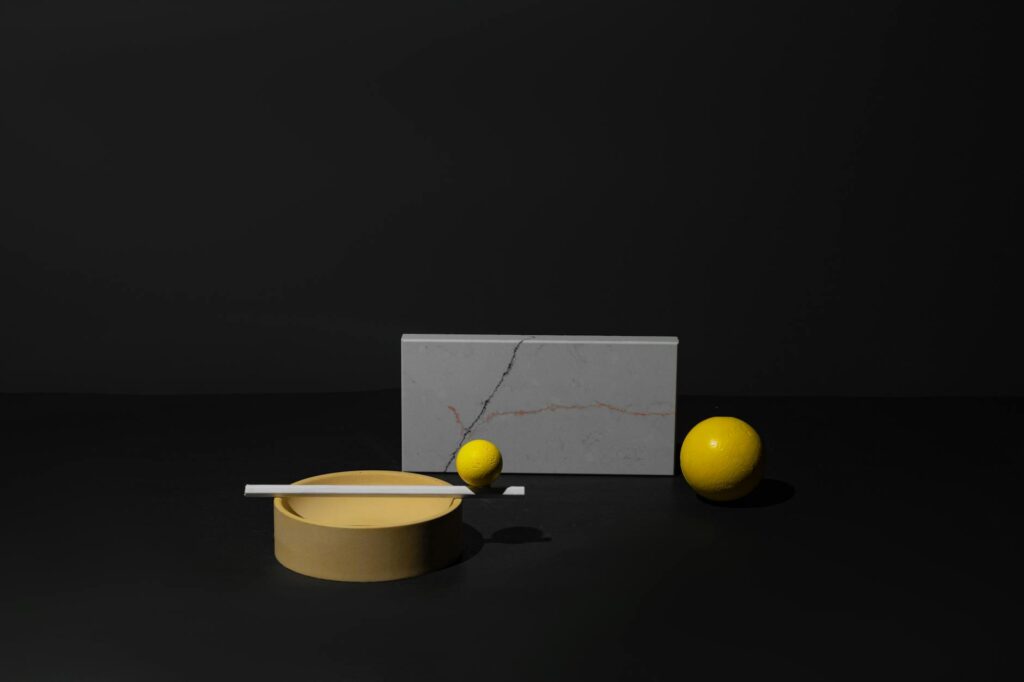
Applying simple aesthetics in design requires a thoughtful and disciplined approach. It’s about being intentional and strategic in design decisions, rather than simply following trends or impulses. One way to apply simple aesthetics is to start with a blank slate and add elements only as needed.
Another approach is to use simple aesthetics as a filter for evaluating design decisions. This means asking questions like: Is this element necessary? Does it contribute to the overall goal or message? By using simple aesthetics as a guiding principle, designers can create a more focused and effective visual language.
- Start with a blank slate
- Use simple aesthetics as a filter
- Be intentional and strategic in design decisions
Best Practices for Simple Aesthetics

There are several best practices for implementing simple aesthetics in design. One of the most important is to keep it consistent. This means using a consistent visual language throughout a website, app, or product, including typography, color schemes, and imagery.
Another best practice is to test and iterate. This means putting simple aesthetics into practice and evaluating its effectiveness in real-world scenarios. By testing and refining simple aesthetics, designers can create a more effective and engaging visual language that resonates with users.
- Keep it consistent
- Test and iterate
- Be open to feedback and refinement
In conclusion, simple aesthetics is a powerful design approach that emphasizes clarity, simplicity, and elegance. By embracing simple aesthetics, designers can create a more efficient and effective user experience, improve readability and comprehension, and enhance the overall quality of their designs.
Simple aesthetics is not just a design trend; it’s a timeless and versatile philosophy that can be applied to a wide range of design contexts. Whether you’re designing a website, app, or product, simple aesthetics can help you create a more focused and effective visual language that resonates with users and achieves your goals.