Visual graphics play a crucial role in the world of design, enabling artists to convey complex ideas and emotions through a combination of images, colors, and textures. By mastering the art of visual graphics, designers can create stunning visuals that capture the audience’s attention and leave a lasting impression. Effective visual graphics can elevate a brand’s identity and make it more relatable to its target audience.
With the rapid evolution of technology, visual graphics have become an integral part of various industries, including advertising, gaming, and education. The use of visual graphics can help to simplify complex information, making it easier for people to understand and engage with the content. Moreover, visual graphics can be used to create immersive experiences, such as virtual reality and augmented reality, which can revolutionize the way we interact with information.
📋 Table of Contents
Understanding Visual Graphics
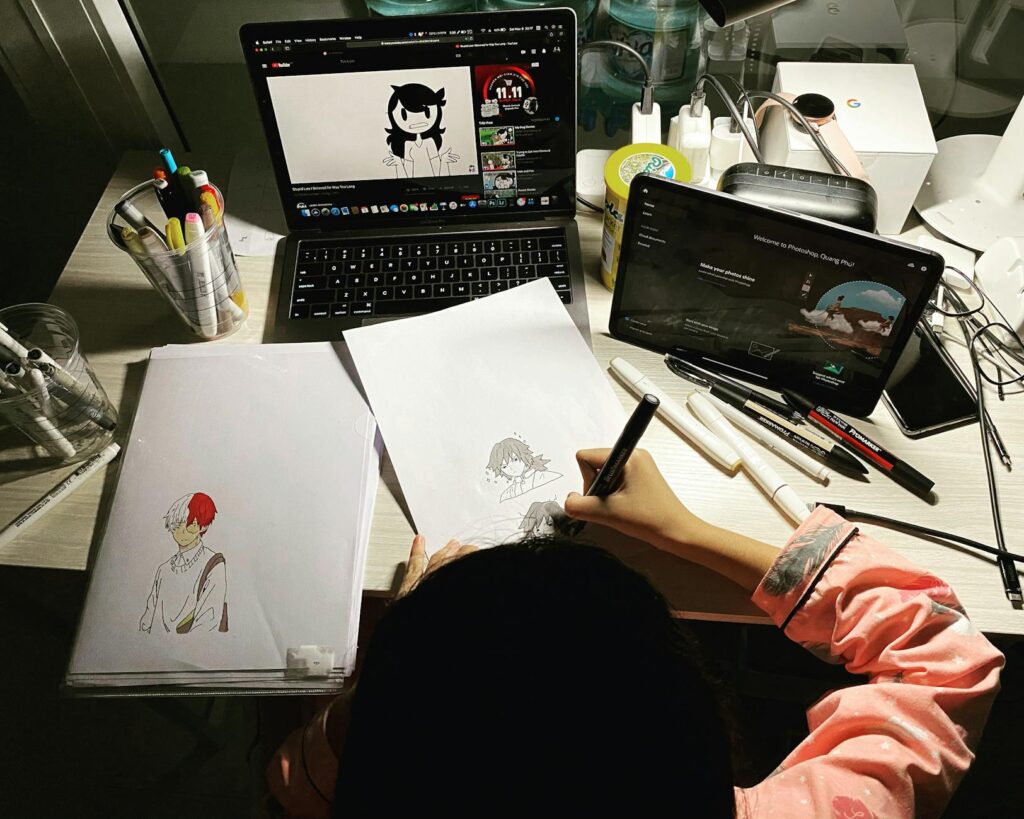
Visual graphics involve the use of visual elements, such as images, colors, and textures, to communicate ideas and emotions. The primary goal of visual graphics is to create a visual language that can be understood by the target audience. Visual graphics can be used in various forms, including static images, animations, and interactive experiences.
The key to effective visual graphics is to understand the audience’s needs and preferences. Designers must consider factors such as age, culture, and education level when creating visual graphics. Moreover, visual graphics must be consistent with the brand’s identity and messaging to ensure that the audience receives a clear and cohesive message.
- Understanding the target audience
- Creating a visual language
- Ensuring consistency with the brand’s identity
Principles of Visual Graphics
🔗 Helpful Resources

The principles of visual graphics include balance, contrast, emphasis, movement, pattern, unity, and white space. Balance refers to the arrangement of visual elements to create a sense of stability and harmony. Contrast, on the other hand, involves the use of different visual elements to create a sense of visual interest.
Emphasis refers to the use of visual elements to draw attention to a particular part of the design. Movement involves the use of visual elements to create a sense of motion or energy. Pattern refers to the use of repeating visual elements to create a sense of rhythm or texture. Unity refers to the use of visual elements to create a sense of coherence and harmony.
- Balance and stability
- Contrast and visual interest
- Emphasis and attention
Applications of Visual Graphics

Visual graphics have a wide range of applications, including advertising, education, and entertainment. In advertising, visual graphics can be used to create eye-catching ads that capture the audience’s attention and convey the brand’s message. In education, visual graphics can be used to create interactive and engaging learning experiences that help students to understand complex concepts.
In entertainment, visual graphics can be used to create immersive experiences, such as video games and movies. Visual graphics can also be used in architecture and product design to create visually appealing and functional spaces and products. Moreover, visual graphics can be used in data visualization to create interactive and dynamic visualizations of complex data.
- Advertising and marketing
- Education and training
- Entertainment and gaming
Tools and Software for Visual Graphics

There are various tools and software available for creating visual graphics, including Adobe Creative Cloud, Sketch, and Figma. Adobe Creative Cloud offers a range of tools, including Photoshop, Illustrator, and InDesign, that can be used to create visual graphics. Sketch and Figma are popular tools for user interface and user experience design.
Other tools and software, such as Blender and Maya, can be used to create 3D models and animations. Moreover, there are various online platforms and communities, such as Behance and Dribbble, where designers can share their work and get feedback from others. Visual graphics can also be created using programming languages, such as JavaScript and Python.
- Adobe Creative Cloud
- Sketch and Figma
- Blender and Maya
Best Practices for Visual Graphics

Best practices for visual graphics include keeping it simple, using high-quality images, and ensuring consistency with the brand’s identity. Designers must also consider the audience’s needs and preferences when creating visual graphics. Moreover, visual graphics must be optimized for different devices and platforms to ensure that they look good and function well.
Designers must also stay up-to-date with the latest trends and technologies in visual graphics to ensure that their designs are fresh and relevant. Additionally, visual graphics must be accessible and usable by people with disabilities. By following these best practices, designers can create effective visual graphics that engage and inspire the audience.
- Keeping it simple
- Using high-quality images
- Ensuring consistency with the brand’s identity
Visual graphics play a vital role in communicating ideas and emotions, and by mastering the art of visual graphics, designers can create stunning visuals that capture the audience’s attention and leave a lasting impression. Effective visual graphics can elevate a brand’s identity and make it more relatable to its target audience.
In conclusion, visual graphics are a powerful tool for communication, and by understanding the principles, applications, and best practices of visual graphics, designers can create effective and engaging visual graphics that inspire and motivate the audience. By leveraging the power of visual graphics, designers can create immersive experiences that engage and delight the audience, and by staying up-to-date with the latest trends and technologies, designers can ensure that their designs are fresh and relevant.