
A logo is more than a visual mark; it is the face of a brand, a symbol that encapsulates its values, personality, and aspirations. Creative logo design goes beyond aesthetics; it is a strategic endeavor that communicates a brand’s identity to the world.
Key Highlights & Fast Facts
- Strategic Impact: A creative logo goes beyond aesthetics to build trust, instant recognition, and brand consistency.
- Core Process: Spans from initial client research and sketching to digital rendering and client collaboration.
- Psychological Power: Color choices, typography, shapes, and negative space heavily influence consumer perception.
Why Is Creative Logo Design Important?
How Does a Logo Provide Instant Recognition?
A well-designed logo is instantly recognizable, serving as a visual anchor that distinguishes a brand from its competitors in a crowded marketplace.

How Do Logos Build Trust and Credibility?
A professionally crafted logo builds trust and credibility. It conveys the message that a brand is serious about its identity and committed to delivering quality.
Memorability
Memorable logos linger in the minds of consumers. They create a lasting impression, ensuring that the brand is recalled when needed.
Brand Consistency
A creative logo serves as the cornerstone of brand consistency, unifying various brand elements and communications under a cohesive visual umbrella.
| Logo Element | Primary Function / Design Impact | Recommended Usage |
|---|---|---|
| Color Palette | Evokes emotions and communicates core brand values (warm vs. cool tones). | Consistent across web and print materials. |
| Typography | Conveys brand personality (serif for tradition, sans-serif for modernity). | Pair main logo font with a readable body font. |
| Negative Space | Adds depth, intrigue, and clever dual meanings to the design. | Use selectively for memorable visual impact. |
The Process of Crafting Memorable Logos
- Client Brief and Research
The journey begins with a thorough understanding of the client’s vision, values, and target audience. Research into the industry and competitors provides valuable insights.

Photo by Alfo Medeiros on Pexels - Sketching and Conceptualization
Designers embark on the creative process with pencil and paper, sketching various concepts and exploring different visual elements that could embody the brand.
- Digital Rendering
Transitioning from sketches to digital platforms, designers bring concepts to life. This phase involves choosing color palettes, experimenting with typography, and refining the overall composition.
- Client Collaboration and Feedback
Client input is integral to the design process. Regular collaboration and feedback loops ensure that the evolving logo aligns with the client’s vision and goals.
- Refinement and Iteration
The iterative nature of logo design involves refining details, adjusting proportions, and fine-tuning until the logo achieves the perfect balance of simplicity and sophistication.
- Finalization and Delivery
Once the logo is approved, final files are prepared for delivery in various formats ensuring adaptability across digital and print mediums.
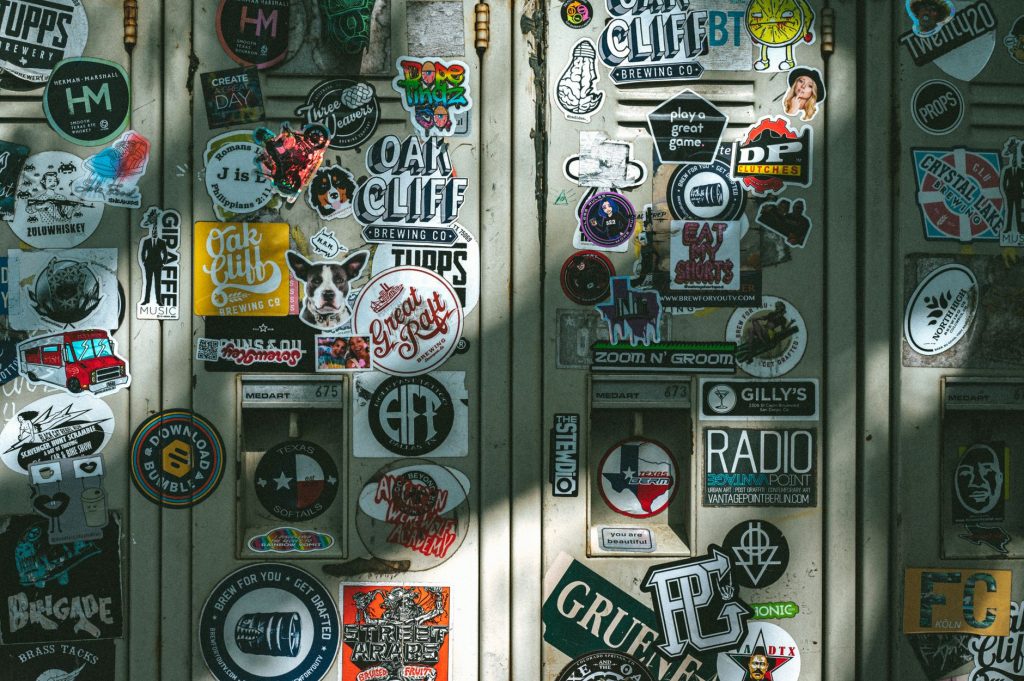
Always test your logo design in solid black and white before introducing color. If it loses its clarity or impact without color, the core shape needs further refinement.
The Psychology of Logo Design
Color Choices
Colors evoke emotions and convey messages. Warm tones like red and orange may suggest energy and passion, while cool tones like blue and green can signify trust and tranquility.
Typography and Fonts
The choice of fonts plays a crucial role. Serif fonts exude tradition and reliability, while sans-serif fonts convey modernity and simplicity.
Shapes and Symbols
Different shapes carry distinct meanings. Circles suggest unity and wholeness, squares convey stability, and triangles may signify energy or progression.
Negative Space
Clever use of negative space within a logo can create dual meanings, adding depth and intrigue to the design.
Trends Shaping Logo Design
Simplicity and Minimalism
Minimalist logos with clean lines and simple shapes continue to dominate, emphasizing the less-is-more approach for timeless appeal.

Versatility and Responsive Design
Logos designed for adaptability across various platforms, including social media and mobile applications, ensure that the brand maintains visual coherence.
Handcrafted and Unique Typography
Custom typography and hand-lettered logos are gaining popularity, adding a personalized and artisanal touch to brand identities.
Geometric Patterns
Geometric shapes and patterns provide a structured and visually appealing foundation for logos, adding a modern and dynamic flair.
Color Gradients
The use of color gradients introduces depth and dimension to logos, creating visually striking designs that stand out.
Challenges in Creative Logo Design
Balancing Simplicity and Uniqueness
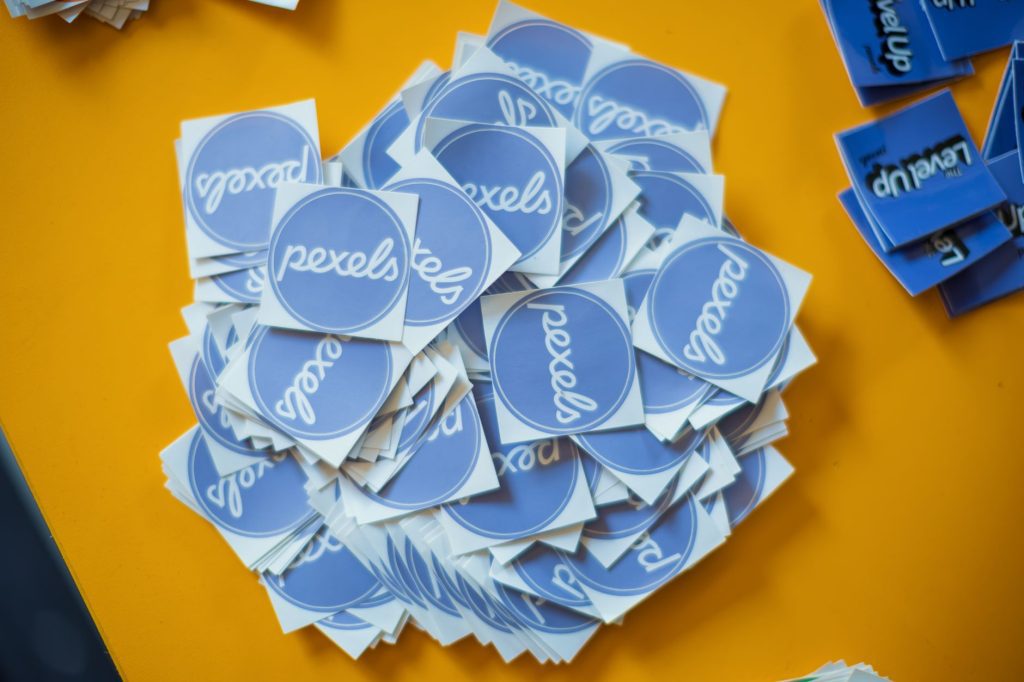
Striking the right balance between a simple, memorable design and a unique visual identity can be a challenge, requiring designers to navigate the fine line between cliché and innovation.
Scalability and Adaptability
Ensuring that a logo maintains its integrity and clarity across various sizes and mediums, from billboards to social media avatars, poses a significant challenge.
Cultural Sensitivity
In a globalized world, designers must be attuned to cultural nuances to create logos that resonate positively across diverse audiences.
The Future of Logo Design
Dynamic Logos
With advancements in technology, dynamic logos that adapt and change based on user interactions or environmental factors could become more prevalent.
Sustainable Design Practices
As environmental awareness grows, sustainable design practices, including eco-friendly color choices and minimalist designs, may become more emphasized in logo creation.
Conclusion
Creative logo design is an art form that goes beyond aesthetics, delving into the psychology of perception and the strategic representation of brands. In an ever-evolving visual landscape, logos serve as timeless symbols that transcend cultural and linguistic barriers. As designers continue to push boundaries and embrace innovation, the future of logo design promises to be an exciting journey where creativity, technology, and brand identity converge.