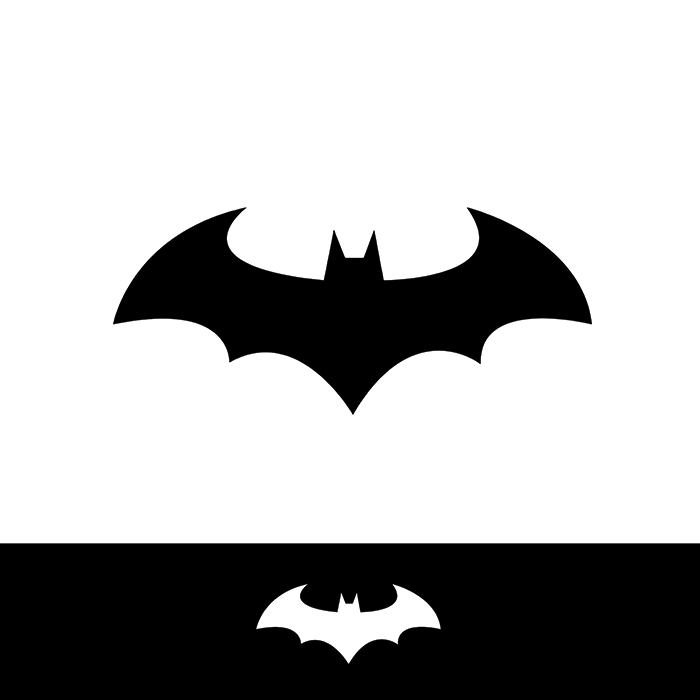
Batman Logo for social media use
 VECTOR SOURCE
Asset Overview & Description
Key Highlights & Fast Facts
- Origin: Batman debuted in Detective Comics #27 in May 1939, created by Bob Kane and Bill Finger.
- No Superpowers: Unlike Superman, Bruce Wayne relies on intellect, peak physical training, gadgets, and stealth.
- The Symbolism: The bat silhouette was chosen to strike primal fear into the hearts of Gotham’s criminals.
- Logo Evolution: From the classic black-on-yellow oval to sharp modern interpretations, the silhouette remains instantly recognizable.
What is Batman?
Batman, the legendary Dark Knight, has etched an indelible mark on the tapestry of comic book history and popular culture. Born in the shadows of the Great Depression, Batman made his first dramatic appearance in Detective Comics #27 in May 1939. The brainchild of artist Bob Kane and writer Bill Finger, Batman emerged as a stark departure from the era’s spandex-clad superpowered heroes. Instead, he was introduced as a brooding and mysterious vigilante embodying the essence of a crime-fighting detective with an unrelenting pursuit of justice.
The Genesis of Batman (1939)
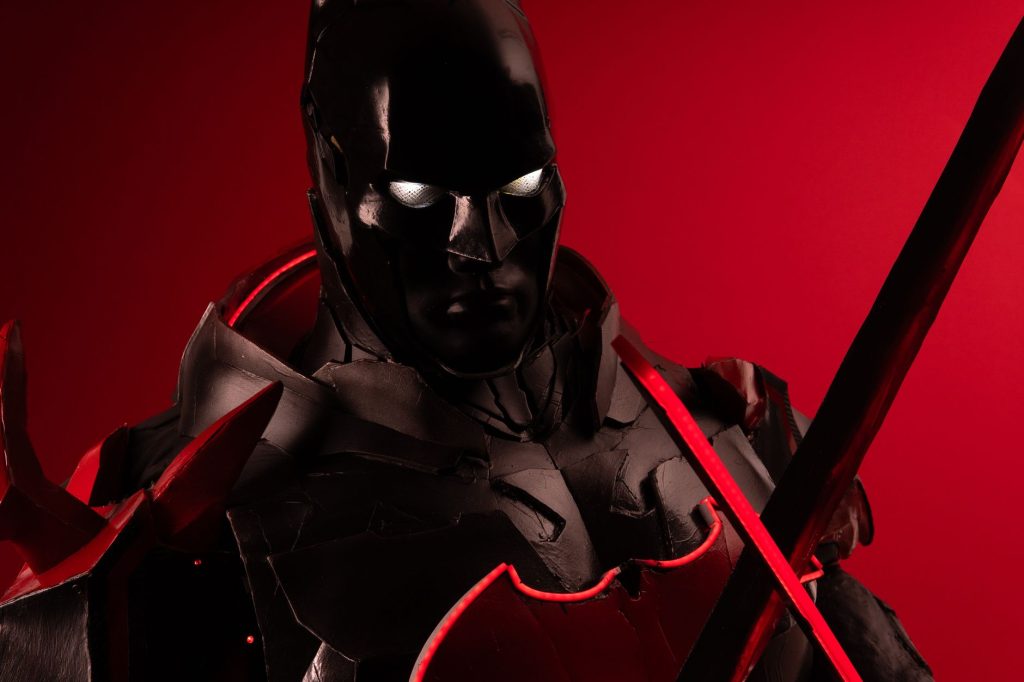
In the pages of Detective Comics, readers were introduced to Bruce Wayne, the scion of the wealthy Wayne family. Witnessing the brutal murder of his parents, Bruce’s life took a profound turn. Driven by an unquenchable desire to eradicate crime and corruption from Gotham City, Bruce embarked on a rigorous journey of physical and intellectual training. Unlike his contemporary Superman, Batman possessed no superhuman abilities. Instead, he relied on his formidable intellect, peak human physical prowess, and a vast array of gadgets and technology. The choice of a bat as his symbol was a strategic and psychological one, reflecting the primal fears he sought to instill in criminals. The iconic bat silhouette became synonymous with justice in the heart of Gotham.
The Dynamic Duo (1940s)
Within a year of his debut, Batman found a companion in the form of Dick Grayson, an acrobat whose parents were tragically murdered. The introduction of Robin, the Boy Wonder, marked the birth of a dynamic partnership that resonated with readers. Together, Batman and Robin navigated the dark alleys of Gotham, facing off against a growing gallery of criminals. This era laid the foundation for the character dynamics and storytelling structure that would define Batman for decades. The Caped Crusader, with his noir-inspired tales, became an emblematic figure of the Golden Age of comic books.
The Golden and Silver Ages (1930s-1960s)
Batman’s early adventures during the Golden Age were characterized by detective work, moral parables, and a sense of pulpy excitement. The era saw the establishment of key elements such as the Batcave, the Bat-Signal, and the Batmobile. The narrative tone shifted during the Silver Age in the 1950s, incorporating more science fiction elements and extravagant scenarios. Despite the evolution in storytelling, Batman’s essence remained intact. He was not just a vigilante; he was a symbol of resilience and justice, facing a rogue’s gallery that would become legendary characters like the Joker, Catwoman, Penguin, and Two-Face.
Campy TV Series (1960s)
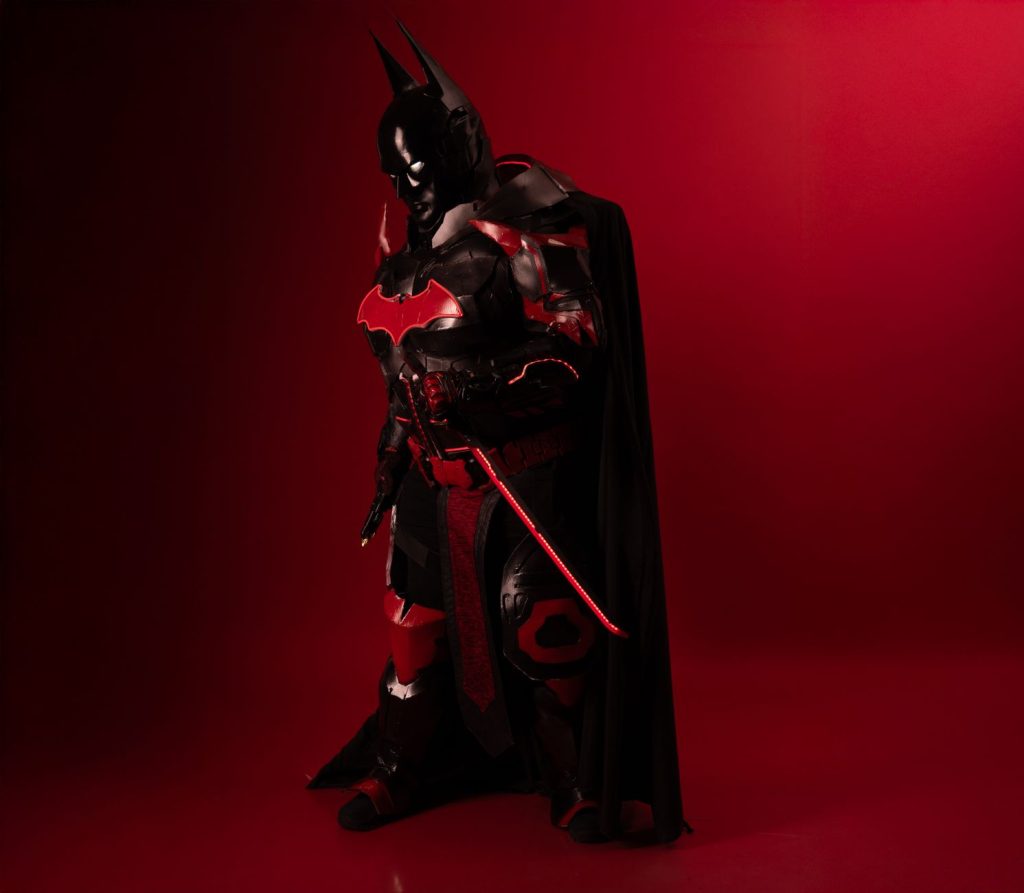
The swinging 1960s brought a transformation in Batman’s image with the advent of the television series starring Adam West and Burt Ward. A departure from the brooding and gritty tone of the comics, the show embraced a campy, humorous style. The Batman TV series became a cultural phenomenon, introducing the iconic bat-dance and onomatopoeic visuals like POW! and BANG! While the series left an indelible mark on popular culture, it also generated debates about Batman’s portrayal. Some critics argued that the campiness overshadowed the character’s darker origins, while others appreciated the show’s distinct charm.
Return to Darkness (1970s)
As the 1970s unfolded, a significant shift occurred in Batman’s depiction. Writers Denny O’Neil and Neal Adams undertook a mission to restore the character’s darker roots. The duo brought back the brooding, detective-driven narrative that had defined Batman in his early years. This return to darkness marked a pivotal moment, resonating with readers who yearned for a more serious and mature portrayal of the Dark Knight.
The Dark Knight Returns (1986)
Frank Miller’s graphic novel The Dark Knight Returns, released in 1986, stands as a seminal work that redefined Batman for a new generation. The story unfolded in a dystopian future where an older Bruce Wayne comes out of retirement to restore order to a Gotham City on the brink of collapse. Miller’s gritty realism and psychological exploration elevated Batman beyond the confines of comic book pages, influencing subsequent interpretations of the character in both comics and other media.
Tim Burton’s Batman Films (1989-1992)
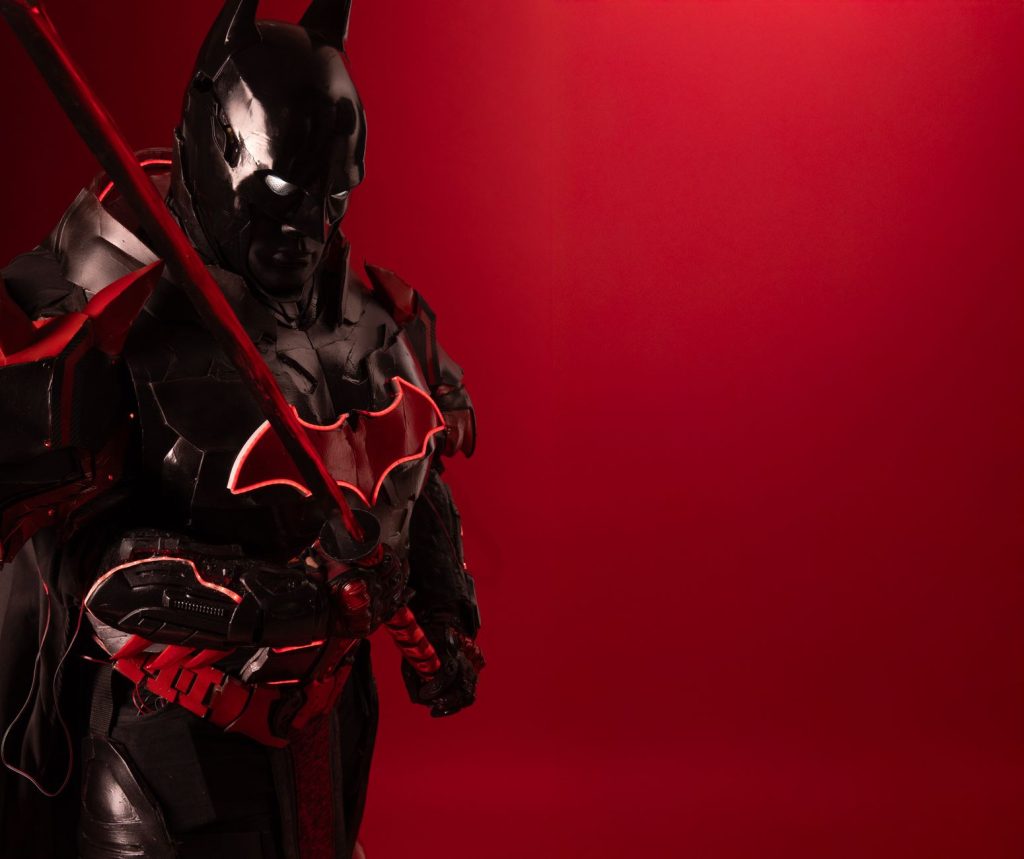
Batman’s cinematic journey reached new heights with director Tim Burton’s Batman in 1989. Starring Michael Keaton as the titular character, the film embraced a dark and gothic aesthetic. Burton’s Batman was a brooding figure navigating the crime-infested streets of Gotham. The film’s success paved the way for a sequel, Batman Returns (1992), which continued to explore the complex psyche of the Dark Knight.
Knightfall and the 1990s
The 1990s brought significant narrative arcs to Batman’s mythology, notably Knightfall. This storyline featured the formidable villain Bane orchestrating the release of Arkham Asylum’s inmates, leading to a prolonged and grueling battle against Batman. The arc not only showcased Batman’s physical prowess but also delved into the psychological toll of his crusade. During this period, Batman continued to evolve with stories exploring his relationships, vulnerabilities, and the impact of his dual identity on those closest to him. The decade also witnessed the creation of the critically acclaimed animated series Batman: The Animated Series, contributing to the character’s ongoing cultural relevance.
Nolan’s Dark Knight Trilogy (2005-2012)
The 21st century ushered in a new era for Batman with director Christopher Nolan’s trilogy. Batman Begins (2005), The Dark Knight (2008), and The Dark Knight Rises (2012) redefined the superhero genre. Nolan’s films delved into the psychological underpinnings of Batman’s character, exploring themes of fear, morality, and the consequences of vigilantism. Christian Bale’s portrayal of Batman/Bruce Wayne became iconic, and Heath Ledger’s portrayal of the Joker in The Dark Knight earned posthumous acclaim and an Academy Award. The trilogy not only revitalized Batman’s cinematic presence but also set a new standard for superhero storytelling.
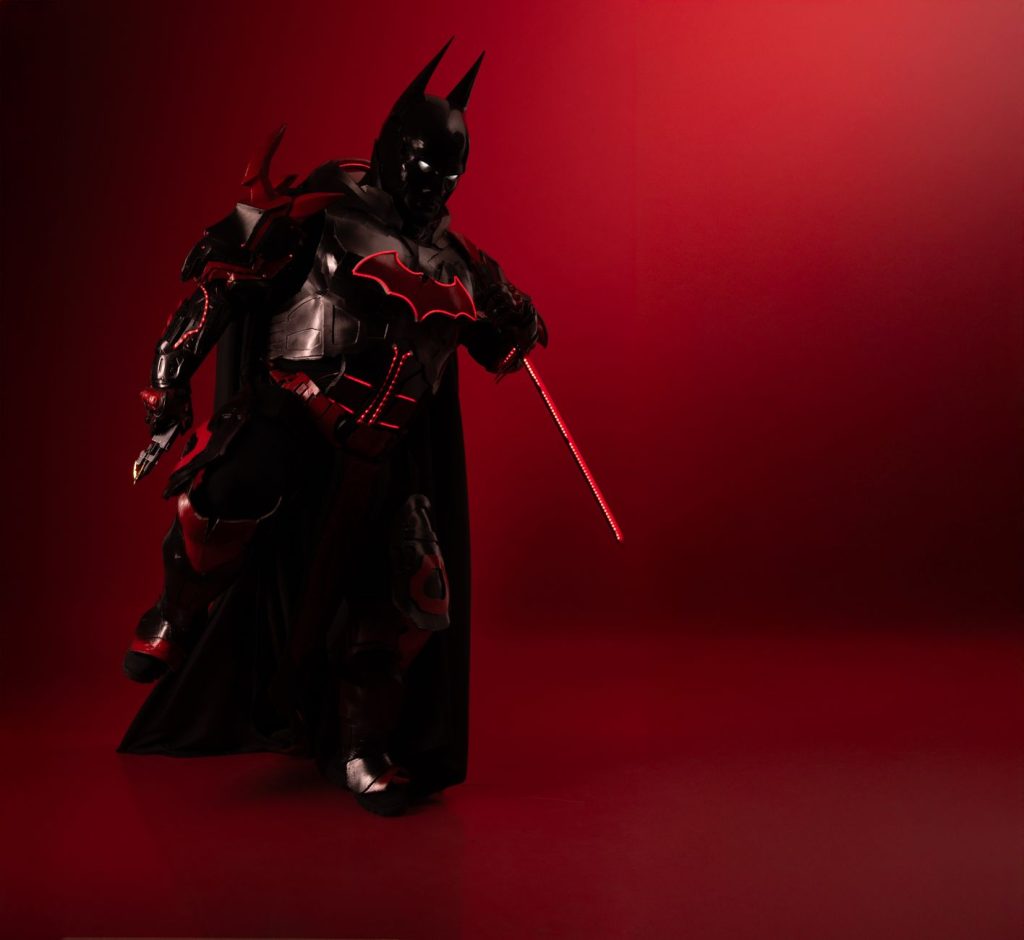
Modern Era and Diverse Media (2010s-Present)
In the modern era, Batman remains a central figure in DC Comics with diverse writers and artists contributing to his narrative legacy. Batman’s adaptability is evident in his appearances across various media, animated series, video games, and an array of films. Notable among them is The Lego Batman Movie (2017), which brought a comedic yet heartfelt take on the character. The character’s journey continued with the release of The Batman (2022) starring Robert Pattinson. This film explored a noir-inspired Gotham and delved into the detective aspect of Batman’s persona.
The Batman Logo: Design and Symbolism
The Batman logo — a black bat silhouette, wings outstretched, set against a yellow oval — is one of the most recognizable emblems in comic book history. Its power comes from pure simplicity: a single, instantly readable silhouette that reads clearly at any size, from a comic book cover to a movie poster. The choice of a bat was deliberate. Bats are creatures associated with fear and the night, and Bruce Wayne chose the symbol specifically to strike fear into “a superstitious, cowardly lot” — Gotham’s criminals. The black-on-yellow color scheme has appeared in nearly every version since the character’s 1939 debut, though the exact shape has been redesigned many times: rounder and more cartoonish in the 1960s TV era, sharper and more menacing in Christopher Nolan’s films, and various styles in between across comics, games, and merchandise. Despite decades of redesigns, the core idea — a bat silhouette that reads instantly, even in shadow — has never changed. That’s what makes it such an effective piece of logo design: it’s simple enough to adapt to any medium while remaining unmistakably Batman.
| Feature | Specification |
|---|---|
| File Formats | .AI, .EPS, .SVG, .PNG |
| Primary Logo Colors | Black and Yellow / Monochromatic |
| First Appearance | Detective Comics #27 (May 1939) |
| Creator | Bob Kane and Bill Finger |
When applying the Batman logo or similar iconic silhouettes to social media assets, always ensure high contrast between the background and the black bat shape. Scalability is key for profile icons and banner placements.
Enduring Legacy and Cultural Impact
Batman’s enduring appeal lies in the universal themes embedded in his narrative: justice, identity, and the struggle against personal demons. His rogue’s gallery, featuring some of the most iconic villains in comic book history, has become a cornerstone of popular culture. The Dark Knight has inspired countless adaptations, including animated series like Batman: The Animated Series and acclaimed video games like the Arkham series.
When did Batman first appear?
Batman made his first appearance in Detective Comics #27 in May 1939, created by artist Bob Kane and writer Bill Finger.
What does the Batman logo symbolize?
The bat silhouette represents fear and the night, chosen strategically by Bruce Wayne to strike terror into the hearts of Gotham’s criminals while maintaining a simple, instantly recognizable design across all media.
Does Batman have superpowers?
No. Unlike Superman, Batman possesses no superhuman abilities. He relies entirely on his brilliant intellect, peak physical conditioning, advanced technology, and detective skills.
| File Formats | .AI (Adobe Illustrator), .EPS (Vector), .SVG, .PNG Preview |
|---|---|
| Resolution / Quality | Vector Scalable (Infinite Resolution) • 300 DPI Print Ready |
| Layer Organization | Fully Layered, Organized Groups, Editable Text & Vectors |
| Commercial License | 100% Free Forever (Personal & Commercial) |
| Compatibility | Adobe Illustrator, Photoshop, Figma, CorelDraw, Inkscape, Affinity Designer |


