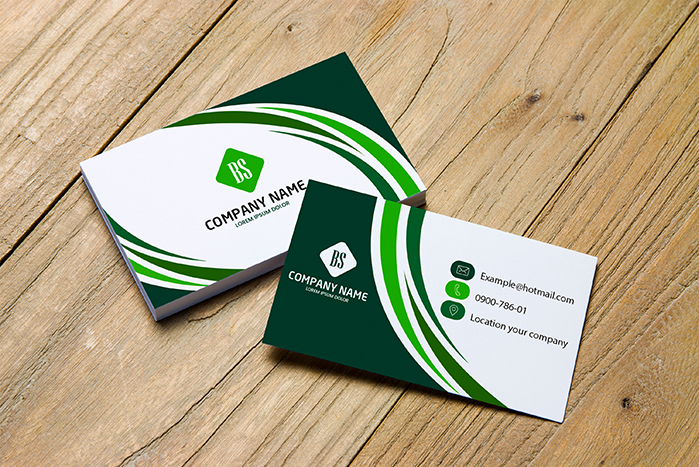
Designing an eye-catching green and white business card introduction: Green and white are refreshing and vibrant colors that evoke feelings of growth, balance, and harmony. When combined effectively, they can create a striking and memorable visual impact on your business card. In this guide, we’ll explore key design elements and strategies for creating an eye-catching green and white business card that reflects your brand identity and captures attention.
Key Highlights & Fast Facts
- Color Psychology: Green and white evoke growth, balance, harmony, freshness, and vibrancy.
- Shade Selection: Match shades like lime, emerald, mint, or olive green to your specific brand personality.
- Design Approach: Use minimalist layouts and ample white space to let colors shine.
| Green Shade | Best Suited For | Visual Vibe |
|---|---|---|
| Lime Green | Modern & Dynamic Brands | Bright & Energetic |
| Emerald Green | Upscale & Sophisticated Brands | Rich & Luxurious |
| Mint Green | Health & Wellness-Oriented Brands | Soft & Refreshing |
| Olive Green | Eco-Friendly & Sustainable Brands | Earthy & Natural |
Choose the Right Shade of Green
Green encompasses a wide spectrum of hues, from vibrant lime green to deep forest green. Select a shade of green that resonates with your brand personality and complements your overall design aesthetic. Consider the following options:

- Lime Green: Bright and energetic, perfect for modern and dynamic brands.
- Emerald Green: Rich and luxurious, ideal for upscale and sophisticated brands.
- Mint Green: Soft and refreshing, suitable for health and wellness-oriented brands.
- Olive Green: Earthy and natural, great for eco-friendly and sustainable brands.
Choose a shade of green that aligns with your brand values and appeals to your target audience.
Always test your chosen shade of green in both digital and print formats, as monitor lighting can sometimes make bright hues appear more saturated than they will look on standard cardstock.
Embrace Minimalist Design
Keep your green and white business card design clean, simple, and minimalist to allow the colors to shine. Avoid cluttering the card with excessive text or graphics, and focus on essential elements such as your logo, name, and contact information. Use ample white space to create a sense of balance and sophistication, allowing the green accents to pop against the neutral background.

- Step 1: Select Your Shade
Pick a green tone that accurately reflects your business values, whether it is earthy olive or luxurious emerald.
- Step 2: Establish Hierarchy
Keep the layout clean, prioritizing your name, job title, and logo using strategic typography and white space.
- Step 3: Add Textures and Finishes
Enhance the tactile feel with matte, gloss, embossing, or debossing to leave a lasting impression.
Highlight Key Information
Ensure that important information stands out clearly on your business card. Use contrasting typography or typography in shades of green to draw attention to your name, job title, and contact details. Experiment with different fonts and font weights to create visual hierarchy and emphasize critical information. Consider using white text on a green background or vice versa for a bold and eye-catching effect.
Incorporate Green Accents and Patterns
Introduce green accents and patterns to add visual interest and depth to your business card design. Consider incorporating green borders, lines, or geometric shapes to frame key elements and create visual flow. Experiment with green gradients or color overlays to create depth and dimensionality. Alternatively, integrate subtle patterns such as stripes, dots, or foliage-inspired motifs to infuse personality and charm into your design.

Experiment with Textures and Finishes
Enhance the tactile experience of your green and white business card by incorporating textures and finishes. Consider using matte or satin finishes for a smooth and elegant feel, or opt for glossy finishes to add shine and luster to specific design elements. Embossing or debossing techniques can create raised or recessed textures, adding a tactile dimension to your business card. Experiment with different textures and finishes to create a memorable sensory experience for recipients.

Ensure Brand Consistency
Maintain consistency with your brand identity across all marketing materials, including your business card. Use the same logo, color palette, and design elements that you use on your website, social media profiles, and other marketing collateral. Consistent branding helps reinforce brand recognition and builds trust with your audience. Ensure that your green and white business card reflects the essence of your brand and communicates your values effectively.
Why choose a green and white color palette for business cards?
Green and white evoke feelings of growth, balance, and harmony. This combination creates a striking, professional, and memorable visual impact that feels both refreshing and clean.
How do I choose the best green shade for my business?
Consider your brand personality. Lime green works well for modern brands, emerald for luxury, mint for wellness, and olive green for eco-friendly businesses.
What finishes work best with green and white cards?
Matte and satin finishes offer an elegant touch, while gloss highlights, embossing, or debossing add a tactile dimension that makes your card stand out.
Conclusion: Designing an eye-catching green and white business card requires careful consideration of color, typography, layout, and finishes. By choosing the right shade of green, embracing minimalist design principles, highlighting key information, incorporating green accents and patterns, experimenting with textures and finishes, and ensuring brand consistency, you can create a business card that makes a lasting impression and reinforces your brand identity. With creativity, attention to detail, and a focus on quality, your green and white business card will stand out and leave a memorable impact on potential clients, partners, and contacts.