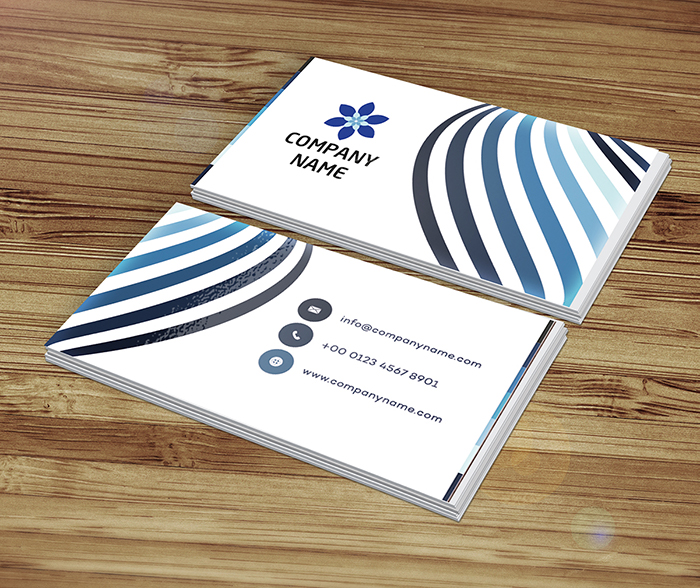
In a world where first impressions matter, a well-designed business card can make all the difference. Adding dynamic lines to your business card design creates a sense of movement and visual interest, instantly drawing attention and leaving a lasting impression. In this guide, we’ll explore the art of crafting an eye-catching lines business card design that captivates viewers and showcases your professionalism and creativity. From design elements to printing considerations, let’s dive into the world of dynamic impressions and create a business card that stands out from the crowd.
What are the key highlights of a lines business card design?
- Dynamic Lines: Use versatile straight or curved lines to convey movement, energy, and direct the viewer’s gaze.
- Clean Composition: Maintain a minimalist layout focusing on essential contact info, logo, and bold typography.
- Print Readiness: Design in CMYK format, respect safe zones, and select high-quality matte or glossy paper stock.
How do dynamic lines enhance business card design?
Dynamic Lines: Lines are versatile design elements that can convey movement, direction, and energy. Whether straight or curved, thick or thin, lines add visual interest and create a sense of flow in your business card design.

Visual Impact: Strategically placed lines can direct the viewer’s gaze and highlight key information on your business card. Experiment with different line styles and arrangements to create a design that commands attention and leaves a memorable impression.
What design elements create a clean business card composition?
Clean Layout: Start with a clean and minimalist layout that provides a clear canvas for your dynamic lines. Focus on essential information such as your name, job title, contact details, and logo while leaving ample space for the lines to shine.

Bold Typography: Choose bold and modern fonts that complement the dynamic nature of your design. Experiment with font weights, sizes, and styles to create hierarchy and visual impact.
Strategic Placement: Position your lines strategically to guide the viewer’s eye and highlight key elements of your business card. Consider using lines to frame your contact information or draw attention to your logo.
When incorporating multiple line weights, maintain at least a 2:1 ratio between thick and thin elements to ensure visual hierarchy remains sharp both on screen and in print.
How can you personalize your business card branding?
Logo Integration: Incorporate your logo into the design seamlessly, ensuring that it stands out against the backdrop of dynamic lines. Experiment with different sizes and placements to find the perfect balance between visibility and integration.

Color Palette: Choose a color palette that complements your brand identity and enhances the visual impact of your design. Consider using bold, contrasting colors for the lines to create maximum impact.
Personal Touches: Infuse your business card with personal touches that reflect your unique style and personality. Consider adding custom illustrations, patterns, or motifs that resonate with your brand and leave a memorable impression.
What practical specifications do you need for card printing?
| Feature | Specification |
|---|---|
| Color Mode | CMYK (Print-Ready) |
| Recommended Formats | .AI, .EPS, .SVG, .PDF |
| Paper Stock | High-Quality Matte or Glossy (Smooth Finish) |
| Safety Margin | At least 3mm inside the trim line |
Print-Friendly Design: Design your business card with printability in mind, ensuring that the lines are accurately represented in CMYK format and that text and graphics are positioned within the safe zone to avoid trimming issues.

Paper Selection: Choose a high-quality paper stock with a smooth finish that enhances the vibrancy of your colors and lines. Opt for premium materials such as matte or glossy paper to add a touch of luxury to your design.
Legibility and Accessibility: Ensure that your contact information is legible and accessible to recipients of your business card. Use a sufficient font size and contrast to ensure readability, especially for individuals with visual impairments.
Printing and Production
- Professional Printing Services:
Partner with a reputable printing company that specializes in high-quality business card printing. Choose a provider that offers customization options such as foil stamping, embossing, or spot UV coating to enhance your design.
- Proofing Process:
Review digital proofs carefully before finalizing your order to check for color accuracy, alignment, and any potential printing errors. Request physical samples if available to ensure that the finished product meets your expectations.
- Quantity Planning:
Determine the quantity of business cards you’ll need based on your networking and marketing needs. Consider ordering a larger quantity to take advantage of bulk discounts and ensure you have an ample supply for future use.
Conclusion
An eye-catching lines business card design is sure to make a memorable impression and leave a lasting impact on anyone who receives it. By harnessing the power of dynamic lines and incorporating them into your design with creativity and precision, you can create a business card that stands out from the crowd and showcases your professionalism and creativity. So let your imagination run wild, experiment with different line styles and arrangements, and create a business card that captivates viewers and leaves a lasting impression with every exchange.
What color mode should I use for printing a lines business card?
Always design your business cards using the CMYK color mode to ensure that the printed colors match your digital expectations as closely as possible.
How can I make my dynamic lines stand out?
Use high-contrast colors against your background, experiment with varied line weights, and ensure your typography and logo have enough breathing room around them.