Eye Catching Lines Flyer Design

Description
Crafting Dynamic Flyer Designs For Maximum Impact
Introduction:
In The Fast-Paced World Of Advertising And Promotion A Well-Designed Flyer Serves As A Powerful Tool For Capturing Attention Sparking Interest And Driving Engagement. In This Guide We Explore The Art Of Creating Eye-Catching Flyer Designs That Leverage Dynamic Lines To Captivate Audiences And Leave A Lasting Impression. From Conceptualization To Execution We Delve Into The Key Principles And Techniques For Crafting Flyers That Stand Out In A Crowded Marketplace.
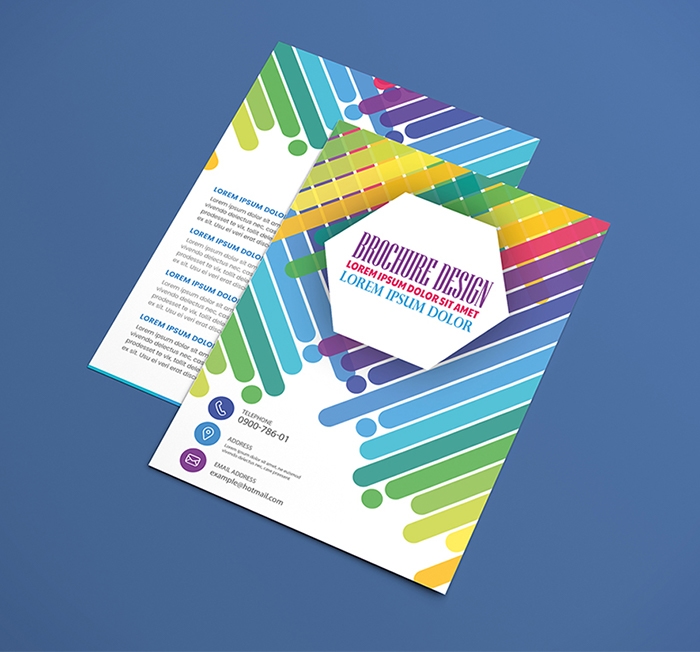
Understanding The Power Of Lines
The Psychology Of Lines:
Explore How Different Types Of Lines—Straight Curved Jagged—Can Evoke Specific Emotions And Perceptions From Stability And Order To Movement And Energy.
Visual Hierarchy:
Learn How Lines Can Be Used To Create Visual Hierarchy Within A Flyer Design Guiding The Viewer’s Eye And Emphasizing Key Information And Focal Points.
Brand Alignment:
Align The Choice Of Lines With Your Brand’s Identity And Messaging Ensuring Coherence And Consistency Across All Marketing Materials.
Design Principles And Techniques
Contrast And Balance:
Experiment With Contrasting Line Weights Colors And Patterns To Create Visual Interest And Balance Within The Flyer Design.
Negative Space:
Use Lines Strategically To Define And Delineate Negative Space Allowing Important Elements To Breathe And Ensuring Clarity And Readability.
Composition And Flow:
Arrange Lines In Dynamic Compositions That Lead The Viewer’s Eye Through The Flyer Creating A Sense Of Movement And Guiding Them Towards The Call To Action.
Creative Applications
Geometric Abstraction:
Explore The Use Of Geometric Shapes And Abstract Forms To Create Visually Striking Compositions That Draw The Viewer’s Attention And Convey A Sense Of Modernity And Sophistication.
Organic Flow:
Embrace Organic Fluid Lines Inspired By Nature And The Environment Infusing The Flyer Design With A Sense Of Vitality Growth And Harmony.
Experimental Typography:
Integrate Lines Into Typographic Elements Experimenting With Letterforms Spacing And Alignment To Create Unique And Memorable Visual Effects.
Practical Considerations
Audience Analysis:
Tailor Your Flyer Design To Resonate With Your Target Audience’s Preferences Interests And Demographics Ensuring Relevance And Resonance.
Printing And Production:
Select High-Quality Printing Techniques And Materials That Complement The Design And Enhance Its Visual Impact From Glossy Finishes To Textured Papers.
Digital Integration:
Extend The Reach Of Your Flyer Design Through Digital Channels Including Social Media Email Newsletters And Websites Maximizing Exposure And Engagement.
Evaluation And Iteration
A/B Testing:
Conduct A/B Testing To Evaluate The Effectiveness Of Different Line Treatments Layouts And Messaging Variants Gathering Insights And Refining The Design Based On User Feedback.
Analytics And Tracking:
Leverage Analytics Tools To Track Engagement Metrics Such As Click-Through Rates And Conversion Rates And Iterate On The Flyer Design To Optimize Performance And Achieve Campaign Objectives.
Continuous Improvement:
Embrace A Mindset Of Continuous Improvement Staying Abreast Of Design Trends Industry Best Practices And Technological Innovations To Evolve And Innovate In Your Flyer Designs.
Conclusion:
With Its Ability To Command Attention Evoke Emotion And Communicate Messages With Clarity And Impact The Use Of Dynamic Lines In Flyer Design Is A Powerful Tool For Marketers And Designers Alike. By Mastering The Principles And Techniques Outlined In This Guide You Can Create Eye-Catching Flyer Designs That Captivate Audiences Drive Engagement And Elevate Your Brand Presence In Today’s Competitive Marketplace.
More Free Designs for You

Modern business card design

Michelob Ultra Logo Free Download: PNG, SVG, Vector & Zero Edition Branding

Salon logo design

Unique Multiple Blue Color Business Card Design for Your Brand

Flyer Design purple and yellow

Feedback