Facebook Logo Design for social media marketing
 VECTOR SOURCE
Asset Overview & Description
Key Highlights & Fast Facts
- Iconic Design: A white lowercase "f" on a vibrant blue square, globally recognized as a symbol of digital connectivity.
- Color Origin: Mark Zuckerberg chose blue because he is red-green colorblind and can distinguish blue clearly.
- Versatile Scaling: The 2019 redesign shifted to a compact format optimized for mobile devices and varied screen sizes.
FACEBOOK LOGO: What is the Facebook logo?
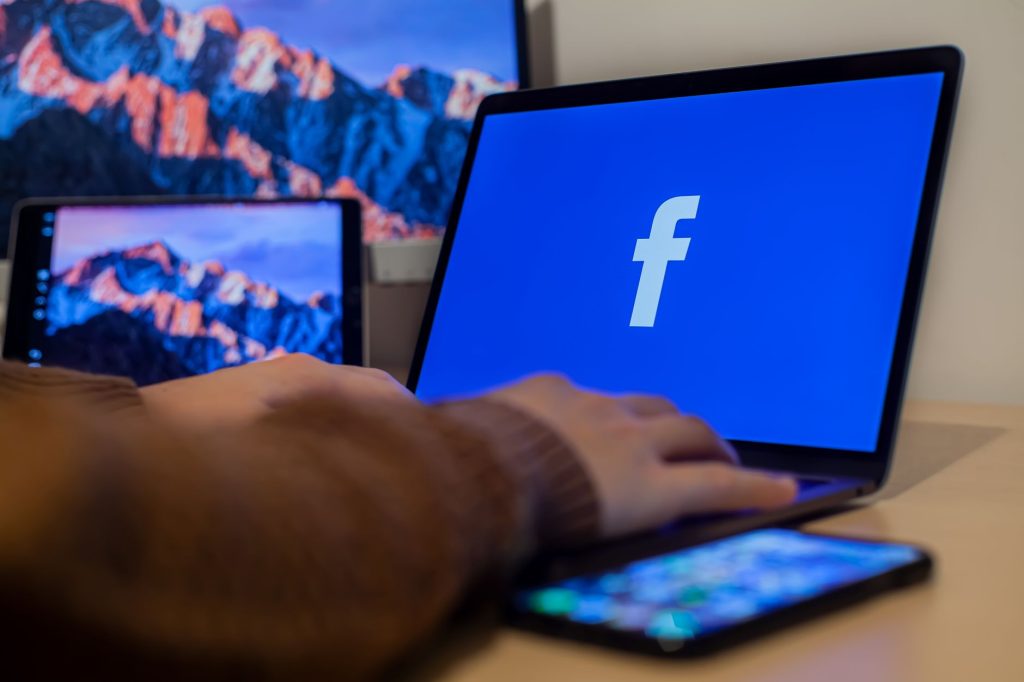
Facebook is a global social network used by billions of people. Its icon — a white "f" on a blue square — is one of the most recognized logos in the world, alongside the older thumbs-up "Like" symbol many people still associate with the brand.
Why is the Facebook emblem blue?
There's no deep symbolism here — the reason is simpler than most people expect. Facebook founder Mark Zuckerberg is red-green colorblind, so he can't distinguish between shades of red and green. Blue, however, he can see clearly, which is why he chose it for the platform.
What are the dimensions of the FB logo?
Facebook's cover photo dimensions are 820×312 pixels on desktop and 640×360 pixels on mobile. The profile picture displays at 170×170 pixels on desktop and 128×128 pixels on mobile.
Who designed the FB emblem?
The Facebook logo has changed several times since launch. In 2004, it was a light blue "the Facebook" wordmark on a darker blue background, shown in the profile header. In 2005, it became a white "The Facebook" on blue, alongside a shorthand version using just an "F" with a light blue stripe. In 2006, "The" was dropped, leaving just "Facebook," and the thumbs-up "Like" icon debuted the same year. By 2013 the wordmark shifted to a cleaner, more custom typeface, and it stayed largely consistent from there.
The 2019 redesign
As Facebook expanded beyond its original user base, a more compact, versatile logo was introduced: the lowercase wordmark was replaced by the now-familiar "F" in a blue square. This design made it easier for the logo to adapt across screen sizes, reflecting the platform's growing focus on mobile.
Design details
The Facebook wordmark uses a custom typeface built for readability across digital platforms. The rounded edges and clean lines give it a friendly, approachable feel that fits the platform's focus on social connection. Placing the "F" inside a square container helps it stand out consistently, making the logo stand out on a variety of backgrounds and ensuring a consistent brand presence.

Facebook's logo design stays consistent across its family of apps, including Instagram, WhatsApp, and Oculus. That unified design language creates a seamless experience and reinforces the connection between platforms under the Facebook (now Meta) umbrella.
Facebook's logo has evolved in response to shifts in design trends, technological advancements, and the platform's expanding user base. The iterative changes reflect a commitment to staying relevant while maintaining a sense of continuity and brand recognition. Beyond the design itself, the Facebook logo has become a symbol of social connectivity in the digital age, representing the platform's role in connecting people and building communities on a global scale.
As technology and user expectations continue to evolve, so too may the Facebook logo. The platform's commitment to innovation and user experience suggests that future iterations will likely build upon the current design while staying true to the core principles of simplicity and connection.
In October 2021, Facebook's parent company rebranded as "Meta." The Facebook app itself kept its name and logo, operating under the Meta umbrella.
The Facebook logo is more than just a visual identifier; it's a symbol of social connectivity and the evolution of online communication. From its inception in a college dorm room to its current status as a global platform, the logo's design journey reflects the dynamic nature of both technology and human connection. As Facebook continues to shape the digital landscape, its logo stands as a recognizable and enduring emblem of social interaction in the modern era.
Leveraging Social Media Assets for Brand Growth
For small business owners, freelancers, and digital marketers, understanding the mechanics behind iconic digital marks like the Facebook emblem offers practical lessons in brand scaling. When incorporating social media integration into your visual identity, consistency is paramount. Utilizing standardized templates, icons, and vector badges ensures your brand maintains a professional appearance whether rendered on a high-density retina display or printed on physical marketing collateral like business cards and promotional flyers.
Technical Vector Specifications & Asset Optimization
When working with digital icons and social badges for web and print applications, proper technical preparation prevents common pitfalls such as pixelation, color shifting, or improper scaling. Designers should always utilize scalable vector formats (.SVG, .EPS, or .AI) rather than raster bitmaps (.JPG or .PNG) when designing marketing materials. Below is a comprehensive reference for digital asset preparation:
| Parameter | Digital / Web Spec | Print / Physical Spec |
|---|---|---|
| Color Mode | RGB (sRGB IEC61966-2.1) | CMYK (U.S. Web Coated SWOP v2) |
| Resolution | 72 PPI (Minimum for screens) | 300 DPI (High-resolution print) |
| File Formats | SVG, PNG (Transparent) | EPS, PDF, AI (Vector paths) |
| Scaling Behavior | Infinite scaling via vector XML | Requires bleed & crop marks |
Always keep vector assets organized in a dedicated asset library with standardized padding rules. This ensures seamless scalability and brand compliance across all client deliverables.
Step-by-Step Customization Guide for Designers
If you are integrating social media iconography into custom marketing layouts using design tools like Adobe Illustrator, Figma, or open-source editors, follow this efficient workflow:
-
Source Verified Assets
Always obtain clean vector outlines of social media icons to maintain brand integrity and adhere to official usage guidelines.
-
Establish Grid Alignment
Place your icon within a geometric bounding box or square grid system to preserve equal padding and visual balance.
-
Manage Layers & Grouping
Keep vector nodes organized by grouping background containers separately from foreground glyphs.
-
Export Optimized Formats
Export web assets in SVG format for responsive scaling, ensuring all text elements are converted to outlines.
Software Compatibility and Vector Design Best Practices
Modern design workflows rely on seamless asset interchange across various software suites. Whether you prefer Adobe Illustrator, Figma, or CorelDraw, maintaining clean bezier curves and zero redundant anchor points ensures your design files remain lightweight and fully editable. When building templates for clients at GD Graphic, prioritize modularity so users can easily swap color palettes, adjust typography, and rescale layout containers without distorting proportions.
Frequently Asked Questions
Can I use the official Facebook logo on my business card?
Yes, you can use official social media icons on print and digital marketing materials to direct customers to your social pages, provided you follow the brand's official spacing and color guidelines.
What file format is best for web icons?
Scalable Vector Graphics (SVG) are ideal for web use because they load instantly, remain perfectly crisp on all screen resolutions, and have tiny file sizes.
Why do tech companies use blue in their logos?
Blue is universally associated with trust, security, and stability, making it the preferred choice for technology platforms and financial institutions alike.
Where can I find free design templates for social media marketing?
You can explore a wide variety of free vector templates, business card layouts, and design assets right here at GD Graphic to accelerate your creative workflow.
| File Formats | .AI (Adobe Illustrator), .EPS (Vector), .SVG, .PNG Preview |
|---|---|
| Resolution / Quality | Vector Scalable (Infinite Resolution) • 300 DPI Print Ready |
| Layer Organization | Fully Layered, Organized Groups, Editable Text & Vectors |
| Usage License | 100% Free Forever (Personal & Commercial Projects) |
| Compatibility | Adobe Illustrator, Photoshop, Figma, CorelDraw, Inkscape, Affinity Designer |