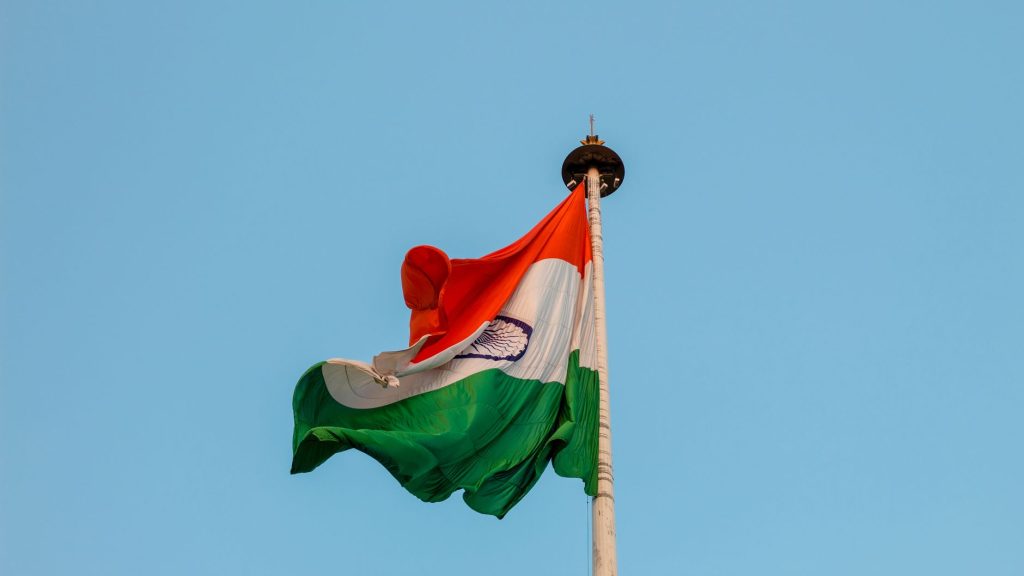
Indian Independence Day Graphic Flag
 VECTOR SOURCE
Asset Overview & Description
Key Highlights & Fast Facts
- Historical Roots: Traces centuries of colonial rule and the ultimate dawn of self-governance on August 15, 1947.
- Diverse Movements: Highlights both Mahatma Gandhi’s nonviolent Satyagraha and the fiery zeal of revolutionary leaders like Bhagat Singh and Subhas Chandra Bose.
- Enduring Legacy: Focuses on democratic constitution-building, secularism, pluralism, and modern global leadership.
| Feature | Specification |
|---|---|
| Asset Type | Indian Independence Day Graphic Flag & Historical Overview |
| File Formats Available | .AI, .EPS, .SVG, .PNG |
| Target Audience | Designers, freelancers, students, and educators |
| Compatibility | GD Graphic online tools, Adobe Illustrator, CorelDRAW |
A Journey Towards Freedom And Nationhood
The saga of Indian independence is an epic tale of struggle, sacrifice, and resilience that reverberated across continents, reshaping the course of history and inspiring millions around the globe. Spanning centuries of colonial rule, diverse socio-political movements, and the unwavering resolve of visionary leaders, the quest for independence transformed the Indian subcontinent and heralded the dawn of a new era of self-governance and sovereignty.
Colonial Legacy
The story of Indian independence finds its roots in the colonial era when the Indian subcontinent became a prized possession of the British Empire. The establishment of British East India Company trading posts in the 17th century eventually led to the gradual annexation of Indian territories, marking the onset of British colonial rule. The exploitation of India’s resources, the imposition of discriminatory policies, and the suppression of indigenous industries inflicted severe hardships on the Indian populace, sowing the seeds of discontent and dissent.
Rise Of Nationalism
Amidst the shadows of colonial subjugation, the spirit of Indian nationalism began to take root in the late 19th and early 20th centuries. Visionaries such as Raja Ram Mohan Roy, Dadabhai Naoroji, and Bal Gangadhar Tilak laid the foundation for a renewed sense of Indian identity and pride, advocating for socio-political reforms and indigenous empowerment. The Indian National Congress, established in 1885, emerged as a pivotal platform for articulating Indian aspirations and mobilizing public opinion against British hegemony.
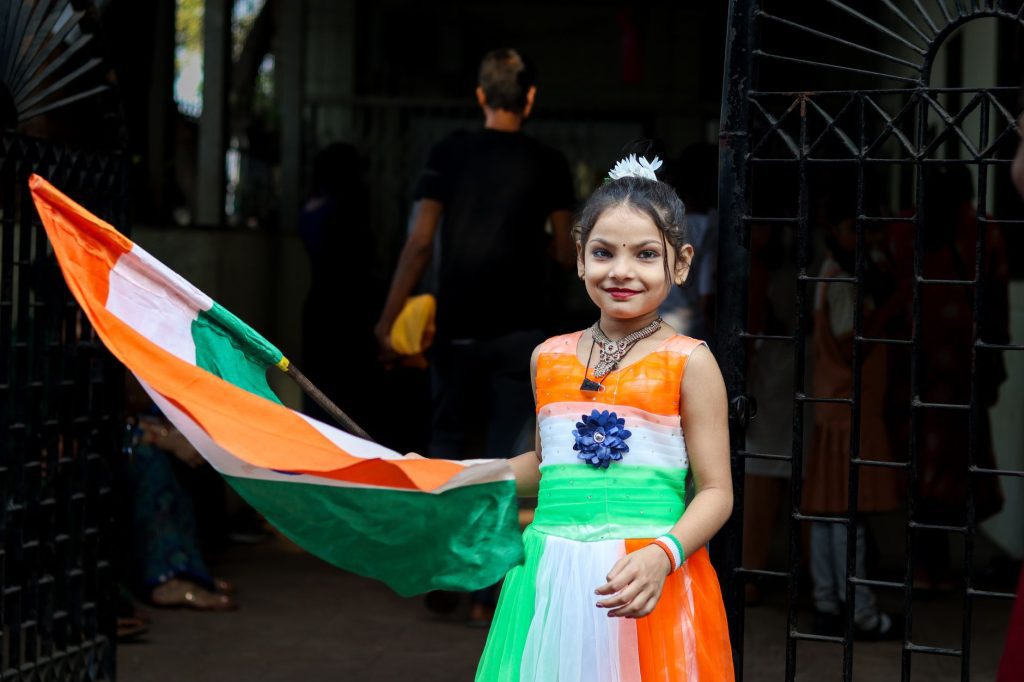
When creating commemorative posters or social media graphics for Independence Day, pair traditional tricolor motifs with clean vector typography to maintain a modern, professional aesthetic.
Gandhian Era
The advent of Mahatma Gandhi on the Indian political stage marked a watershed moment in the struggle for independence. Gandhi’s philosophy of nonviolent resistance, or Satyagraha, became the guiding light of the Indian freedom movement, galvanizing millions of Indians from all walks of life in a collective quest for freedom. Through iconic campaigns such as the Non-Cooperation Movement, the Salt Satyagraha, and the Quit India Movement, Gandhi inspired a wave of mass mobilization and civil disobedience that shook the foundations of British rule.
Revolutionary Zeal
Parallel to Gandhi’s nonviolent struggle, a wave of revolutionary fervor swept across the Indian landscape, with fiery leaders such as Bhagat Singh, Chandrashekhar Azad, and Subhas Chandra Bose spearheading militant resistance against colonial oppression. Their valorous acts of defiance, epitomized by daring actions, prison escapes, and the formation of the Indian National Army, infused the freedom movement with a renewed sense of vigor and urgency.

- Step 1: Download the Graphic Asset
Access the free vector templates from GD Graphic and download the preferred format (.AI, .EPS, or .SVG).
- Step 2: Customize in Design Software
Open the file in your favorite vector editor or online design tool to adjust colors, text, and layout elements.
- Step 3: Export & Publish
Export your finalized Independence Day poster, flyer, or social media banner in high-resolution .PNG format.
Long Road To Independence
The road to independence was fraught with challenges, sacrifices, and moments of triumph. The tumultuous events of World War II and the global anti-colonial sentiment hastened Britain’s retreat from its colonial possessions, culminating in India’s long-awaited tryst with destiny on August 15, 1947. The partition of India, however, marred the euphoria of independence with bloodshed, communal violence, and the largest mass migration in human history, leaving an indelible scar on the collective consciousness of the subcontinent.
Legacy Of Independence
The legacy of Indian independence endures as a testament to the indomitable spirit of a nation united in its pursuit of liberty, equality, and fraternity. The adoption of a democratic constitution, the establishment of democratic institutions, and the promotion of secularism and pluralism reflect India’s unwavering commitment to the principles of freedom and justice. India’s emergence as a global leader in diverse fields, from technology and innovation to culture and diplomacy, underscores the transformative impact of independence on the nation’s trajectory.

Challenges And Aspirations
While India has made significant strides since gaining independence, formidable challenges persist on its path to progress and prosperity. Socio-economic disparities, regional inequalities, environmental degradation, and the scourge of corruption continue to pose formidable obstacles to India’s development aspirations. The quest for inclusive growth, social justice, and sustainable development remains an ongoing endeavor that demands collective action, innovation, and perseverance.
Conclusion
Seventy-five years since the triumph of Indian independence, the spirit of freedom continues to animate the nation’s collective consciousness, inspiring successive generations to uphold the values of democracy, pluralism, and social justice. As India navigates the complexities of a rapidly changing world, the legacy of independence serves as a guiding light, illuminating the path towards a future defined by peace, prosperity, and harmony. As the world looks to India as a beacon of hope and resilience, the spirit of independence stands as a timeless testament to the triumph of the human spirit over adversity and the enduring quest for a better tomorrow.
What is included in the Indian Independence Day Graphic Flag bundle?
The bundle includes free vector templates, logos, posters, and flyers formatted in .AI, .EPS, .SVG, and .PNG files ready for customization.
Are these graphic templates free for commercial use?
Yes, all design assets and templates provided by GD Graphic are free to use for personal, educational, and commercial design projects.
How can I edit the downloaded vector graphics?
You can easily open and customize the vector files using standard design software like Adobe Illustrator or via free online design tools.
| File Formats | .AI (Adobe Illustrator), .EPS (Vector), .SVG, .PNG Preview |
|---|---|
| Resolution / Quality | Vector Scalable (Infinite Resolution) • 300 DPI Print Ready |
| Layer Organization | Fully Layered, Organized Groups, Editable Text & Vectors |
| Usage License | 100% Free Forever (Personal & Commercial Projects) |
| Compatibility | Adobe Illustrator, Photoshop, Figma, CorelDraw, Inkscape, Affinity Designer |


