
Illustration design is a dynamic and powerful medium that bridges imagination and communication. From traditional hand-crafted arts to cutting-edge digital media, illustration shapes how we perceive brands, stories, and information.
Key Highlights & Fast Facts
- Diverse Applications: Essential for editorial content, children’s books, advertising, branding, and digital animation.
- Creative Workflow: Spans from understanding briefs and initial sketching to digital rendering and client collaboration.
- Modern Trends: Includes NFT art, AR-enabled illustrations, and a strong focus on inclusive representation.
The Diverse Applications of Illustration Design
Editorial illustrations grace the pages of newspapers, magazines, and online articles, providing visual context and engagement. Children’s books come alive through illustrations, captivating young minds and complementing the narrative with vibrant visuals.
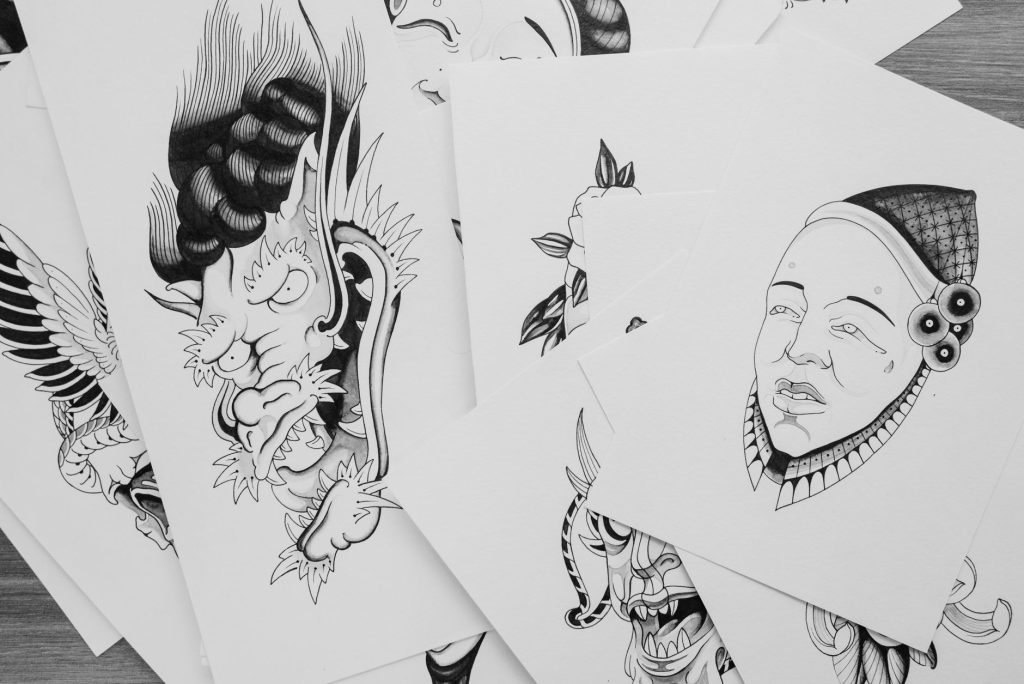
Illustration is a powerful tool in advertising, creating memorable visuals that communicate brand messages effectively. In the digital era, illustration plays a key role in animations, video games, and interactive media, contributing to immersive and visually stunning experiences. Furthermore, illustrations are integral to creating unique brand identities and memorable logos that leave a lasting impression on consumers.
| Application Area | Primary Medium / Format | Core Purpose |
|---|---|---|
| Editorial & Publishing | Print & Digital Web | Visual context, storytelling, and reader engagement |
| Advertising & Branding | Vector & Raster Graphics | Brand recognition, messaging, and consumer connection |
| Digital & Animation | Interactive & Motion Assets | Immersive user experiences and gaming |
The Creative Process in Illustration Design
- Understanding the Brief
The creative journey begins with a thorough understanding of the project brief, including the target audience, message, and overall aesthetic.

Photo by https://kaboompics.com/ on Pexels - Research and Inspiration
Illustrators draw inspiration from various sources, conducting research to gather references and develop a visual language that aligns with the project's requirements.
- Sketching and Conceptualization
The initial stages involve sketching and brainstorming ideas on paper or digitally, allowing the illustrator to explore different visual concepts.
- Digital Rendering
Using digital tools, illustrators refine their sketches, adding details, experimenting with color, and bringing the illustration to life.
- Client Collaboration
Regular communication with clients ensures that the illustrations align with their vision. Feedback and revisions are integral to the collaborative process.
- Finalization and Delivery
Once the illustration is approved, the final files are prepared for delivery whether in print or digital formats.
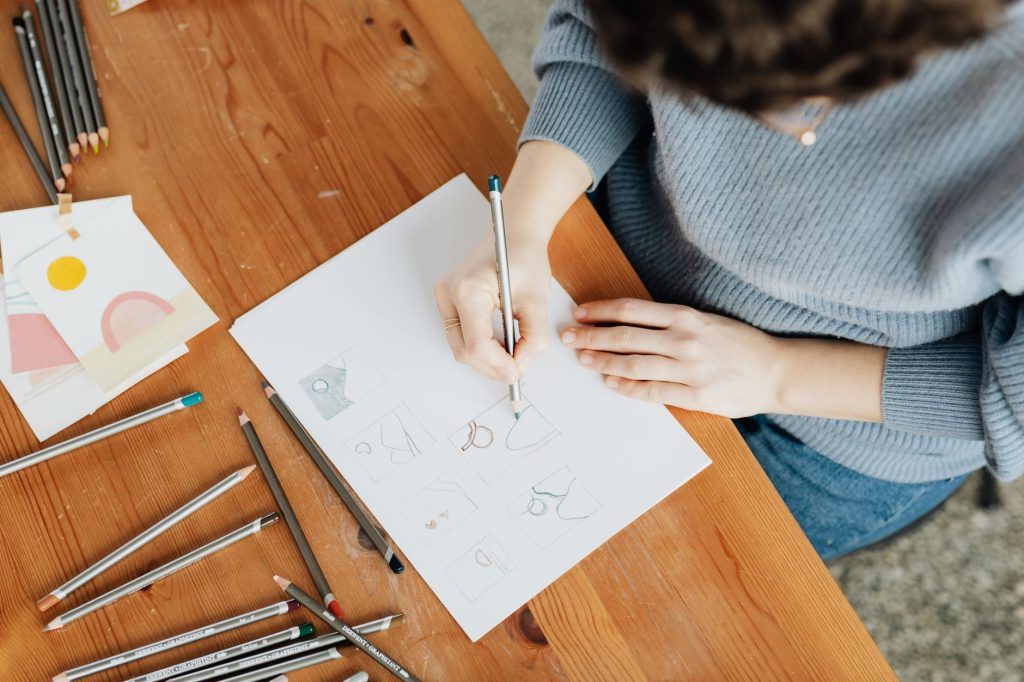
Always maintain organized layers and vector outlines during your digital rendering phase to make client revisions fast and seamless.
Evolution of Illustration Styles
Traditional illustration styles such as realism, pointillism, and watercolor continue to hold timeless appeal, showcasing the enduring beauty of handcrafted art. Meanwhile, the digital age has given rise to vector illustrations characterized by clean lines and scalable graphics, offering precision and versatility in creating intricate visuals.
Illustrators also frequently experiment with mixed media, combining traditional and digital elements or creating collages that add depth and texture to their work. Additionally, minimalism and flat design emphasize simplicity, using clean lines and a reduced color palette to convey messages with clarity and impact.
Industry Trends and Innovations
NFT art and digital collectibles have opened new avenues for illustrators to showcase and sell their digital artwork as unique collectibles through non-fungible tokens (NFTs). At the same time, augmented reality (AR) illustrations are exploring the integration of AR, creating illustrations that come to life when viewed through AR-enabled devices and adding an interactive layer to static visuals.
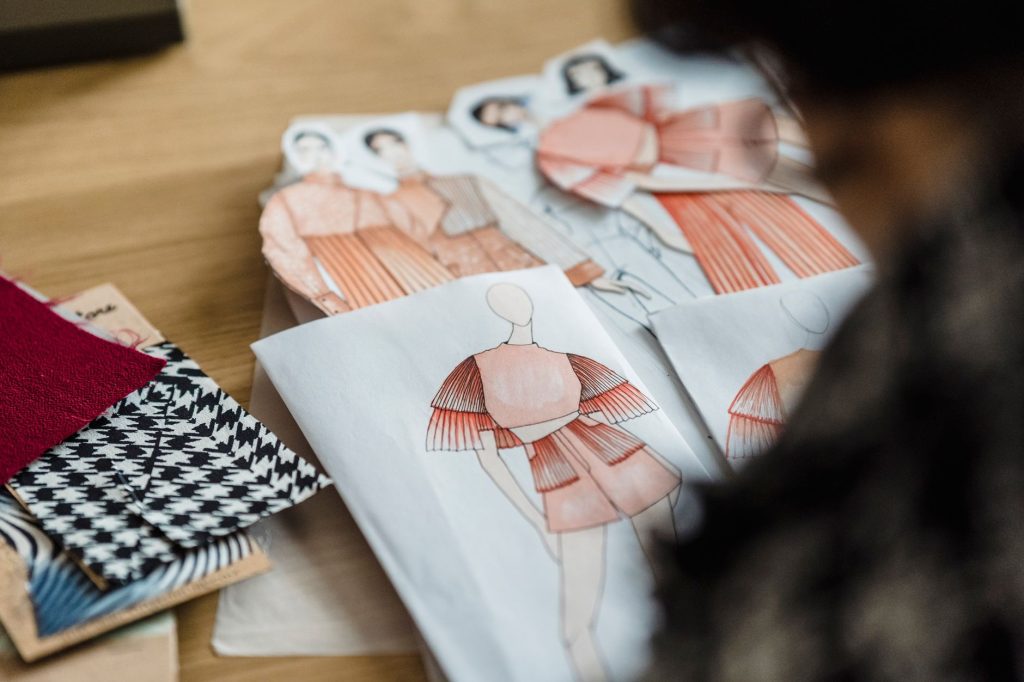
There is also a growing emphasis on inclusive illustration, with artists striving to represent diverse cultures, identities, and perspectives in their work. Simultaneously, a return to hand-drawn and organic elements in illustration brings a sense of authenticity and warmth to digital and print designs.
Challenges in Illustration Design
Illustrators often navigate the challenge of maintaining their artistic vision while meeting the specific expectations of clients and project requirements. Tight deadlines can also pose a challenge, requiring illustrators to balance efficiency without compromising the quality of their work. As technology evolves, illustrators face the ongoing challenge of staying relevant by adapting to new tools and trends in the rapidly changing digital landscape.
The Future of Illustration Design
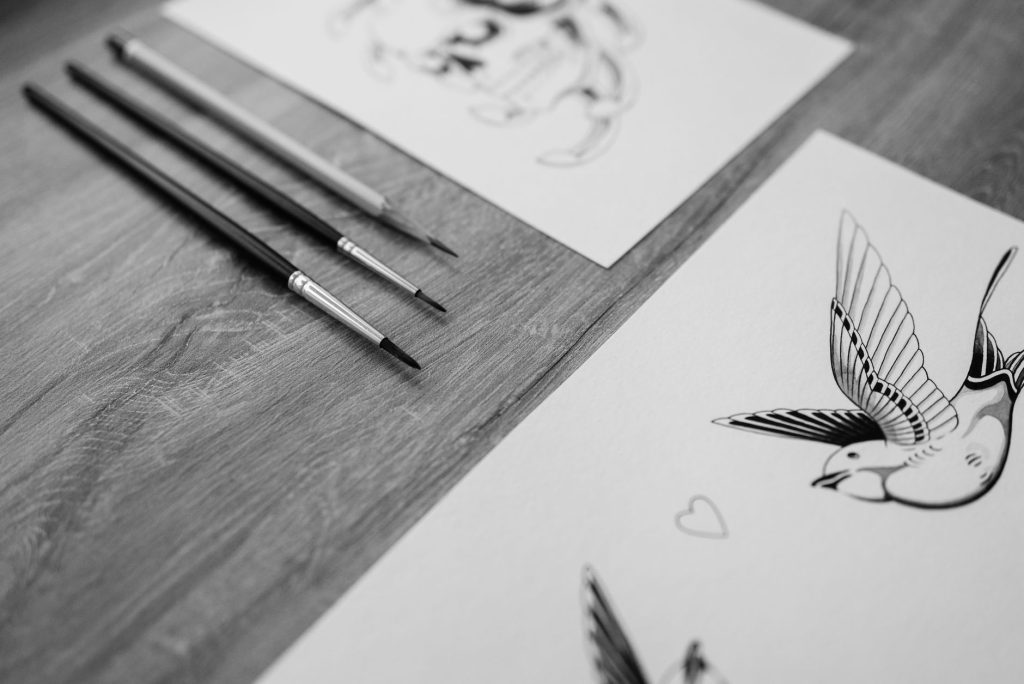
The integration of AI tools may streamline certain aspects of illustration, allowing artists to focus on more complex creative decisions. Furthermore, illustration is poised to play a central role in creating interactive and immersive experiences, especially as technologies like VR and AR continue to advance.
What are the primary applications of illustration design?
Illustration design is widely used across editorial publishing, children's books, advertising, digital animations, video games, and corporate branding.
How has technology changed illustration styles?
Technology has introduced scalable vector graphics, mixed media collages, NFT digital collectibles, and AR-enabled interactive illustrations alongside traditional mediums.
What is the typical creative workflow for an illustrator?
The workflow typically involves reviewing the brief, researching and gathering inspiration, sketching concepts, digital rendering, client collaboration and revisions, and final delivery.
Conclusion
Illustration design stands as a testament to the power of visual storytelling and artistic expression. In its various forms and applications, illustration has the ability to captivate, inform, and evoke emotions. As technology and creativity intertwine, the future of illustration design holds exciting possibilities, promising a continued journey of exploration and innovation in the ever-expanding realm of visual arts.