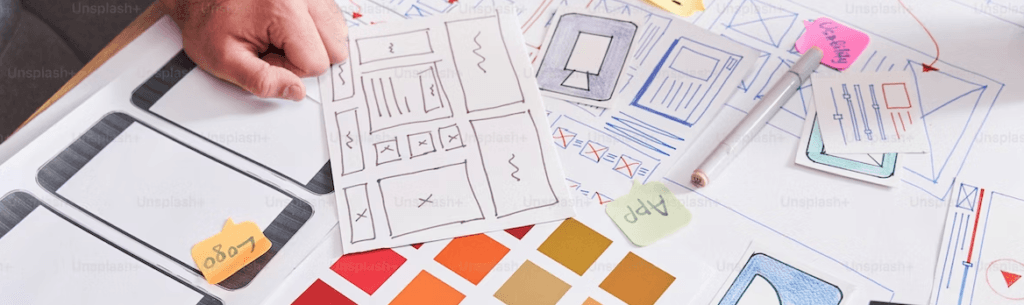
Print design is a dynamic and ever-evolving field that encompasses a wide array of visual communication materials, including brochures, posters, business cards, packaging, and more. This form of design is deeply rooted in tradition yet continues to play a pivotal role in modern marketing and communication strategies.
Key Highlights & Fast Facts
- Core Skills: Mastery of Adobe Creative Suite, typography, color theory, layout composition, and print production technicalities.
- Workflow: The process moves from client consultation and sketching to digital design, collaboration, and prepress preparation.
- Key Materials: Brochures, business cards, posters, packaging, and editorial layouts for magazines and newspapers.
- Modern Trends: Minimalism, bold typography, vintage aesthetics, interactive elements (AR/QR), and personalization.
- Sustainability: Increasing adoption of eco-friendly materials and low-impact printing methods.
Historical Significance of Print Design
Before delving into the contemporary aspects, it’s crucial to acknowledge the historical significance of print design. From the invention of the printing press by Gutenberg to the emergence of graphic design as a profession in the 20th century, print design has witnessed a remarkable evolution.

What skills are essential for print design?
Success in print design relies on a specific set of technical and creative competencies:
-
Graphic Design Proficiency
Mastery of graphic design software like Adobe Creative Suite (InDesign, Photoshop, Illustrator) is fundamental for creating visually compelling print materials.
-
Typography Expertise
Understanding the art and science of typography is crucial. Print designers must know how to select and arrange fonts for optimal readability and aesthetic appeal.
-
Color Theory
A solid grasp of color theory ensures that print materials are visually cohesive and convey the intended mood or message.
-
Layout and Composition
Proficiency in creating layouts that balance text and visuals, guiding the reader’s eye through the material, is a hallmark of a skilled print designer.
-
Print Production Knowledge
Understanding the technical aspects of print production, such as paper types, printing techniques, and file formats, is essential for producing high-quality materials.
| Technical Requirement | Specification / Best Practice |
|---|---|
| Software Suite | Adobe Creative Suite (InDesign, Photoshop, Illustrator) |
| File Preparation | Correct color profiles, high resolution, and print-ready file formats |
| Physical Attributes | Selection of appropriate paper types and printing techniques |
How does the print design creative process work?
From initial concept to final output, the print design workflow follows a structured path to ensure alignment with client goals and technical standards.
-
Client Consultation
Understanding the client’s objectives, target audience, and key messages is the starting point of any print design project.
-
Conceptualization and Sketching
The creative process often begins with sketching ideas on paper. This phase allows designers to explore various concepts before moving to digital tools.
-
Digital Design
Using graphic design software, designers bring their concepts to life digitally. This involves creating the layout, selecting fonts, and incorporating visuals.
-
Client Collaboration
Regular feedback and collaboration with clients are crucial to ensure the design aligns with their vision. Adjustments are made based on client input.
-
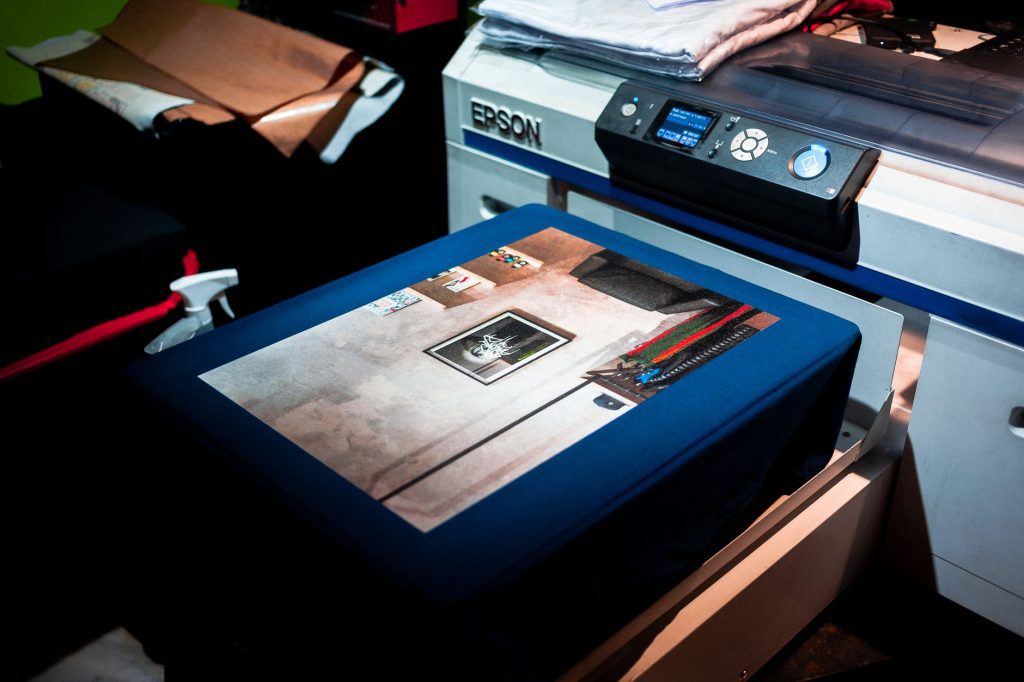
Prepress and Printing
Preparing the final design for print involves ensuring correct color profiles, resolution, and file formats. Print-ready files are then sent to the printer.
Always verify color profiles (CMYK vs. RGB) and resolution settings before sending files to the printer. A mismatch here is the most common cause of print quality issues that cannot be fixed after production.
What are the common types of print design materials?
Print design covers a broad spectrum of tangible media, each serving a distinct purpose in brand communication:
- Brochures and Flyers: Concise and informative, these materials are widely used for promoting products, services, or events.
- Business Cards: A small but powerful representation of a brand, business cards convey contact information and brand identity.
- Posters: Eye-catching posters are effective for advertising events, products, or campaigns.
- Packaging Design: Packaging is a crucial element in branding, influencing consumer perception and purchase decisions.
- Magazines and Newspapers: Editorial design for magazines and newspapers requires a combination of visual appeal and readability.
Embracing Technology in Print Design
While rooted in tradition, print design has embraced technology to enhance the creative process and production efficiency. Digital tools allow for more intricate designs, efficient collaboration, and precise control over color and layout.
Sustainable Print Design Practices
In an era of environmental consciousness, print designers are increasingly adopting sustainable practices. This includes using eco-friendly materials, minimizing waste, and opting for printing methods with lower environmental impact.
The Enduring Power of Print in the Digital Age
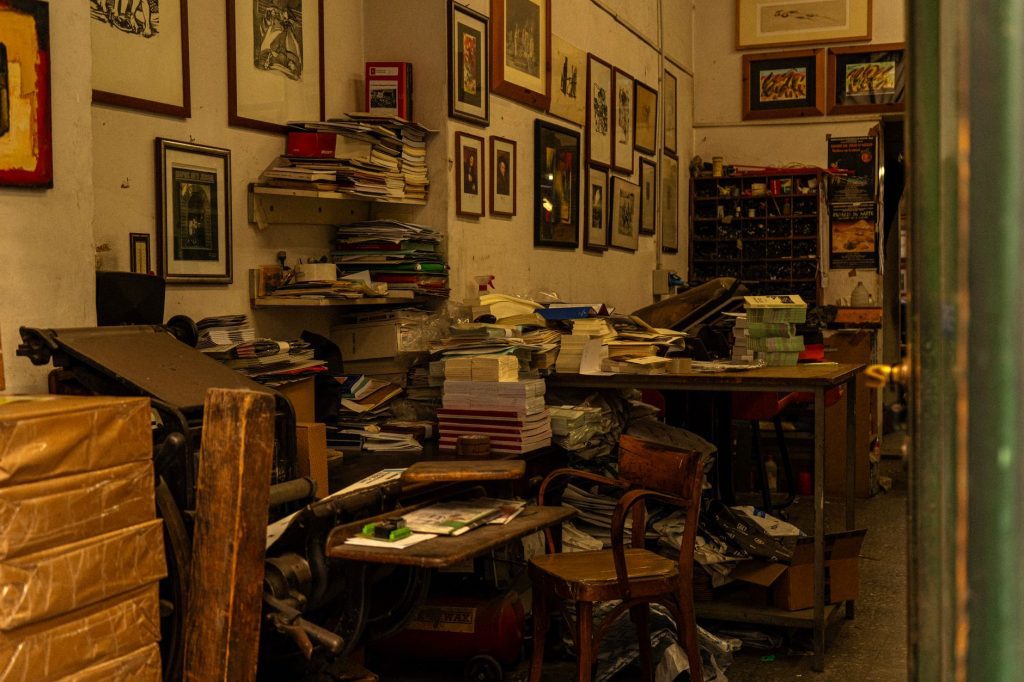
Despite the rise of digital media, print design maintains its relevance and effectiveness. Tangible materials offer a sensory experience that digital counterparts often lack. Additionally, print materials can serve as powerful brand touchpoints, leaving a lasting impression on the audience.
Industry Trends in Print Design
Current trends reflect a blend of aesthetic preferences and technological integration:
- Minimalism and Simplicity: Clean and minimal designs are gaining popularity, conveying information concisely and leaving a strong visual impact.
- Bold Typography: Using bold and expressive typography is a trend that adds personality and emphasis to print materials.
- Vintage and Retro Styles: Nostalgic design elements and retro aesthetics continue to captivate audiences, creating a sense of authenticity.
- Interactive Print: Augmented Reality (AR) and QR codes are being integrated into print materials, creating interactive and engaging experiences.
- Personalization: Customizing print materials for specific audiences enhances engagement and connection with the brand.
Challenges in Print Design
Designers must navigate several hurdles to remain competitive and effective:
- Digital Competition: Print designers face competition from digital platforms, requiring them to continually demonstrate the unique value of print materials.
- Budget Constraints: Clients may have budget constraints that impact the choice of materials, printing techniques, and overall design complexity.
- Technological Learning Curve: Keeping up with evolving design software and technological advancements can be challenging for designers, especially those transitioning from traditional to digital methods.
Future of Print Design
The future of print design is likely to involve a harmonious integration of traditional and digital elements. Print materials will continue to evolve, incorporating interactive features, sustainability practices, and innovative design concepts.
Conclusion
Print design, with its rich history and dynamic present, remains an integral part of visual communication. Skilled print designers navigate the delicate balance between tradition and innovation, creating materials that not only convey information but also evoke emotions and leave a lasting impact. In an era dominated by digital media, print design stands as a testament to the enduring power of tangible, thoughtfully crafted visuals.