Building Flyer Design
 VECTOR SOURCE
Asset Overview & Description
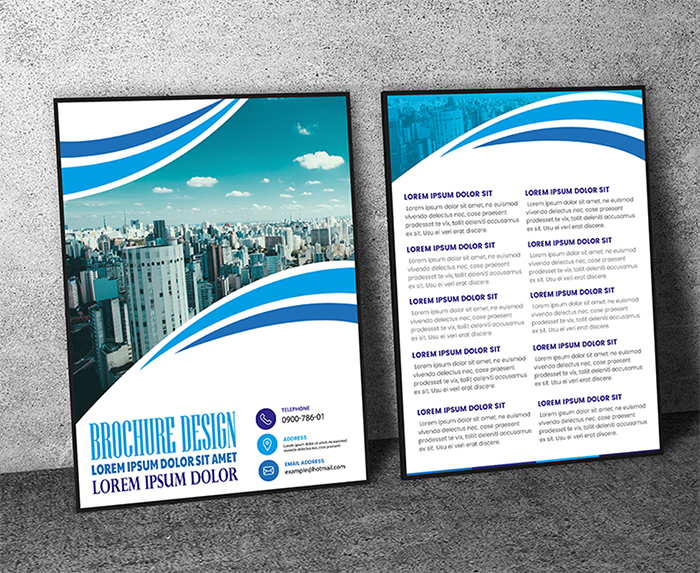
Flyers serve as dynamic tools for marketing and promotion, offering a tangible and visually appealing way to communicate messages to a target audience. Whether promoting an event, business, product, or service, a well-designed flyer can capture attention and generate interest effectively. In this guide, we’ll delve into the art of building flyer designs that resonate with viewers and drive engagement.
Key Highlights & Fast Facts
- Portable Marketing: Flyers act as physical advertisements that reach potential customers in varied settings.
- Strategic Balance: Effective design combines clear messaging, high-impact visuals, and deliberate layout structures.
- Audience Focus: Tailoring designs to specific viewer preferences and demographics improves response rates.
Why is flyer design important?
Flyers play a crucial role in the marketing mix, serving as portable advertisements that can reach potential customers in various settings. They provide a snapshot of key information, enticing recipients to learn more and take action. Effective flyer design involves a strategic blend of visuals, messaging, and layout to create a compelling and memorable piece of promotional material.
What are the key elements of building flyer design?
Clear Objectives and Messaging
Before embarking on the design process, clearly define the objectives of the flyer and identify the key message or call to action you want to convey. Whether it’s promoting a sale, announcing an event, or showcasing a product, clarity in messaging is paramount. Craft concise and compelling copy that communicates the benefits and value proposition succinctly. Use persuasive language and attention-grabbing headlines to capture the reader’s interest from the outset.
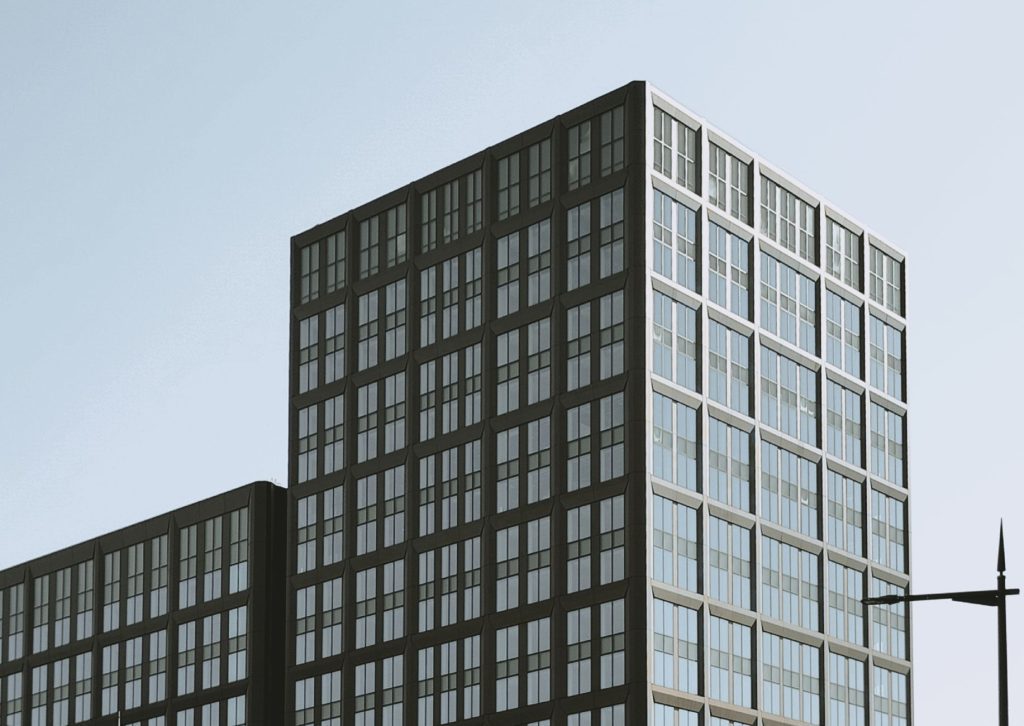
How do you create visual impact in flyers?
Visual elements are central to the success of a flyer design. Choose high-quality images, graphics, and illustrations that align with your brand identity and message. Images should be relevant, engaging, and capable of conveying the intended emotion or mood. Experiment with color palettes, typography, and layout to create visual contrast and hierarchy. Use bold fonts for headlines and important information while maintaining readability with legible body text.
Attention to Detail
Pay attention to the finer details of the flyer design, including alignment, spacing, and composition. Ensure that elements are arranged logically and harmoniously, guiding the viewer’s eye through the content effortlessly. Incorporate ample white space to prevent visual clutter and allow key elements to stand out. Balance text and imagery to create a visually appealing layout that encourages exploration and engagement.
Brand Consistency
Maintain consistency with your brand identity across all aspects of the flyer design. Use branded colors, fonts, and imagery to reinforce brand recognition and credibility. Incorporate your logo and brand elements prominently, ensuring they are integrated seamlessly into the overall design. Consistent branding builds trust and familiarity with your audience, strengthening your brand presence over time.
Call to Action (CTA)
Every effective flyer should include a clear and compelling call to action that prompts the reader to take the desired next step. Whether it’s visiting a website, making a purchase, or attending an event, the CTA should be prominent and actionable. Use persuasive language and urgency to motivate the reader to act quickly. Consider adding incentives or limited-time offers to encourage immediate response.
| Feature | Specification |
|---|---|
| Primary Asset | Customizable Flyer Template |
| File Compatibility | Adobe Illustrator (.AI, .EPS), Vector (.SVG), Print-ready (.PNG) |
| Design Standard | CMYK Print-Ready & RGB Digital-Optimized |
| Usage License | Free for personal and commercial projects via GD Graphic |
Building Flyer Design Strategies
Audience-Centric Approach
Tailor your flyer design to resonate with your target audience’s preferences, interests, and demographics. Consider their needs, desires, and pain points when crafting messaging and selecting imagery. Conduct audience research to gain insights into their preferences and behaviors. Use this knowledge to create flyers that speak directly to their interests and aspirations.
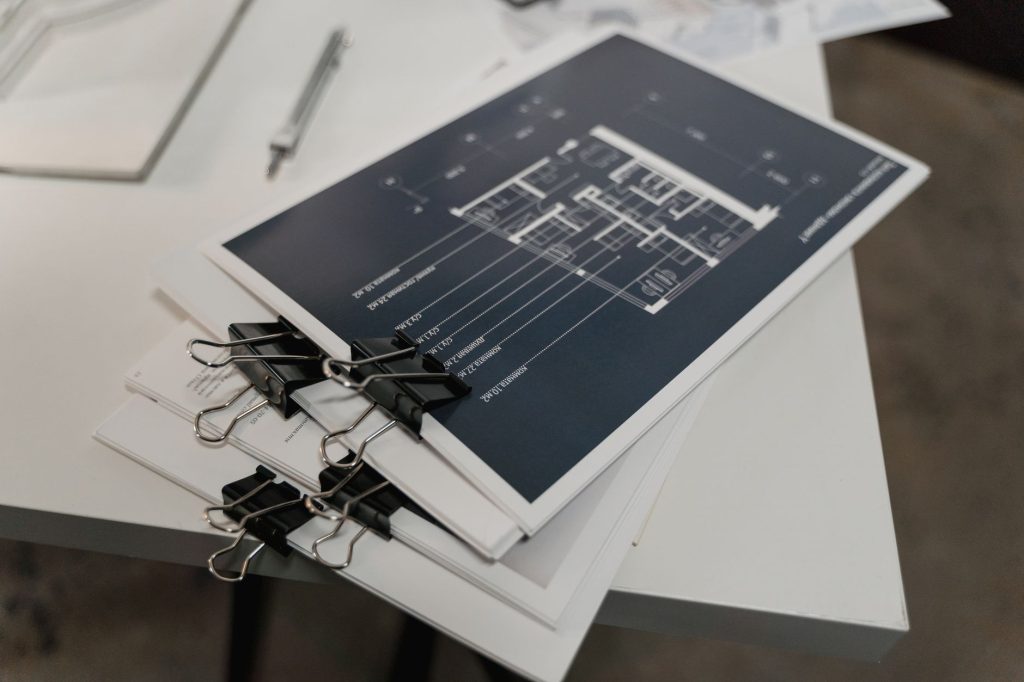
Storytelling Through Design
Use storytelling techniques to create a narrative arc within your flyer design. Capture the viewer’s imagination by presenting information in a compelling and sequential manner. Integrate visual elements that tell a story or evoke emotion, drawing the reader into the narrative and forging a connection with your brand or message.
Interactive and Multimedia Elements
Explore the use of interactive and multimedia elements to enhance the flyer’s engagement and impact. Incorporate QR codes, augmented reality (AR) features, or embedded videos that provide additional information or interactivity. Interactive elements encourage deeper engagement and enable viewers to interact with your brand in meaningful ways. Experiment with innovative technologies to create memorable and immersive flyer experiences.
- Step 1: Define Objectives
Establish the core goal of your flyer, whether it is driving event attendance, selling a product, or announcing a service.
- Step 2: Gather Assets
Collect brand guidelines, logos, high-resolution imagery, and concise copy before opening your design software.
- Step 3: Arrange Layout & Hierarchy
Place your headline first, followed by supporting visuals, descriptive text, and a prominent call-to-action.
- Step 4: Export & Distribute
Save your file in high-resolution print formats (PDF/CMYK) or digital formats (PNG/RGB) depending on your campaign needs.
Always keep your vital contact information and primary call-to-action within the top two-thirds of the flyer layout so that it remains immediately visible even when flyers are stacked or partially covered.
Conclusion
Building flyer design is both an art and a science, requiring careful consideration of messaging, visuals, and audience preferences. By focusing on clear objectives, visual impact, attention to detail, brand consistency, and effective CTAs, you can create flyers that capture attention, drive action, and leave a lasting impression on your audience. Experiment with different design strategies, test variations, and solicit feedback to continuously refine and improve your flyer designs. With creativity, strategic thinking, and a deep understanding of your audience, your flyers can become powerful tools for promoting your brand, products, or events in the competitive marketplace.
| File Formats | .AI (Adobe Illustrator), .EPS (Vector), .SVG, .PNG Preview |
|---|---|
| Resolution / Quality | Vector Scalable (Infinite Resolution) • 300 DPI Print Ready |
| Layer Organization | Fully Layered, Organized Groups, Editable Text & Vectors |
| Commercial License | 100% Free Forever (Personal & Commercial) |
| Compatibility | Adobe Illustrator, Photoshop, Figma, CorelDraw, Inkscape, Affinity Designer |