
In the realm of modern business where first impressions are paramount, the humble business card remains an enduring symbol of professionalism and connectivity. However, in a world inundated with visual noise, the minimalist approach to business card design emerges as a beacon of elegance and effectiveness. In this comprehensive exploration, we delve into the art and allure of minimalist business card design, uncovering its principles, advantages, and timeless appeal.
Key Highlights & Fast Facts
- Core Philosophy: Minimalism transcends mere aesthetics, embodying simplicity, clarity, and purpose.
- Visual Balance: Relies on clean layouts, ample white space, and restrained typography.
- Key Advantage: Offers timeless appeal and superior readability across diverse industries.
Understanding Minimalism in Business Card Design
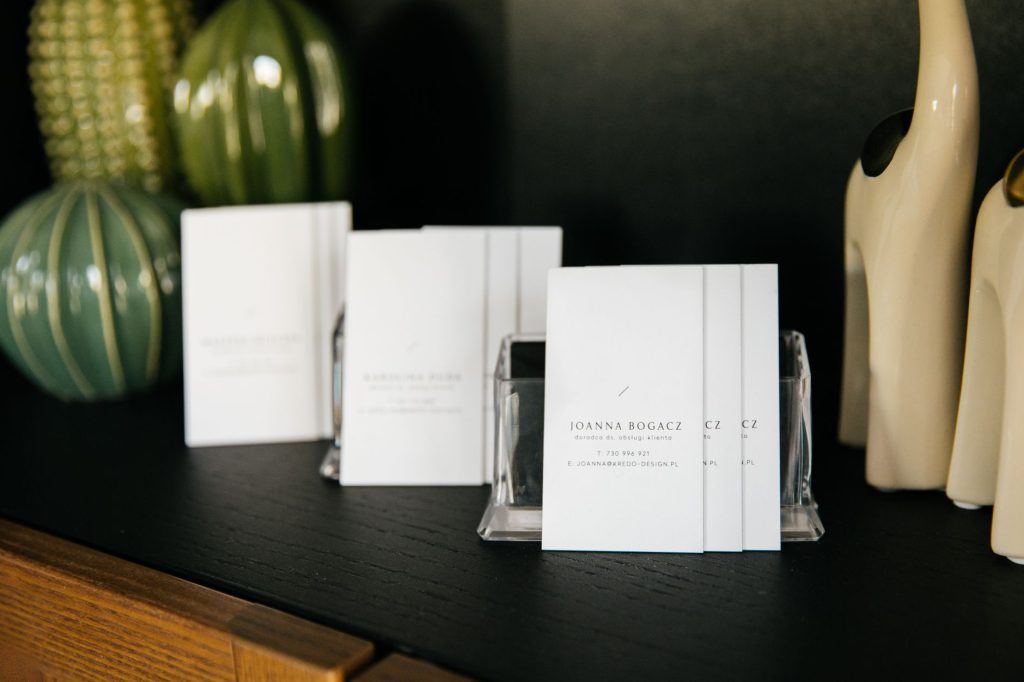
Minimalism transcends mere aesthetics; it embodies a philosophy of simplicity, clarity, and purpose. In the context of business card design, minimalism emphasizes the removal of extraneous elements to distill the essence of the message. By employing clean lines, ample white space, and restrained typography, minimalist business cards convey professionalism, sophistication, and attention to detail.
Key Elements of Minimalist Business Card Design
Designing a clean and effective card requires careful consideration of several fundamental elements:

- Clean Layout: The foundation of minimalist business card design lies in a clean and uncluttered layout. Embrace simplicity by allowing each element to breathe, creating a sense of balance and harmony on the card.
- Limited Color Palette: Minimalist business cards often feature a limited color palette favoring neutral tones such as black, white, gray, and muted hues. Subtle variations in color can add depth and sophistication to the design without overwhelming the senses.
- Simple Typography: Choose clean and legible typefaces that reflect the personality of your brand. Sans-serif fonts are favored for their modern and minimalist aesthetic while variations in font weight and size can create visual hierarchy and emphasis.
- Essential Information Only: Resist the temptation to overcrowd your business card with unnecessary details. Include only essential information such as your name, title, company name, contact information, and perhaps a brief tagline or website URL.
- Strategic Use of White Space: White space or negative space is a powerful tool in minimalist design. It provides breathing room for the eye and allows key elements to stand out. Embrace white space as a design element rather than a void to be filled.
- Minimalist Graphics or Icons: Incorporate minimalist graphics or icons sparingly to add visual interest and reinforce your brand identity. Keep graphics clean and purposeful, using simple shapes or symbols to convey meaning without cluttering the design.
- Consistency with Branding: Maintain consistency with your brand identity by aligning the design of your business card with other marketing materials. Use consistent colors, fonts, and imagery to reinforce brand recognition and create a cohesive visual identity.
- Experiment with Texture and Finish: Explore different textures and finishes to add tactile interest to your business card. Matte or satin finishes exude a modern and refined aesthetic while textured papers add depth and dimension to the design.
- Precision and Attention to Detail: Pay meticulous attention to detail in every aspect of your business card design. Ensure that text is aligned correctly, spacing is consistent, and graphics are sharp and well-defined. Precision enhances the overall professionalism and impact of your card.
- Test and Iterate: Before finalizing your design, test it across different mediums and print formats to ensure optimal legibility and visual appeal. Seek feedback from colleagues or peers and be open to making revisions based on constructive criticism.
| Feature | Specification |
|---|---|
| Primary Formats | .AI, .EPS, .SVG, .PDF |
| Color Mode | CMYK (Print Ready) |
| Resolution | 300 DPI High Resolution |
| Typography Style | Sans-Serif & Modern Serif |
Advantages of Minimalist Business Card Design
- Professionalism
Minimalist business cards exude professionalism and sophistication. Their clean and refined aesthetic reflects positively on your brand and leaves a memorable impression on recipients.

Photo by https://kaboompics.com/ on Pexels - Memorability
Despite their simplicity, minimalist business cards can be highly memorable. A well-designed card that stands out from the crowd is more likely to be retained and remembered by recipients.
- Versatility
Minimalist business cards are versatile and adaptable to various industries and professions, whether you are a creative professional, entrepreneur, or corporate executive.
- Timelessness
Minimalist design is timeless and enduring, transcending trends and fads to remain relevant and impactful for years to come.
- Clarity and Readability
By eliminating clutter and unnecessary elements, minimalist business cards prioritize clarity and readability so essential information is easily accessible.

When designing minimalist business cards on GD Graphic, always leave at least a 3mm bleed area and stick to a maximum of two font weights to preserve visual hierarchy and print accuracy.
Examples of Minimalist Business Card Designs
- Monochromatic Elegance: A black and white business card with clean typography and subtle embossed accents.
- Minimalist Geometric Patterns: A business card featuring minimalist geometric patterns or shapes for a contemporary and stylish look.
- Negative Space Emphasis: A business card that utilizes negative space effectively to create a minimalist yet impactful design.
- Subtle Texture and Finish: A minimalist business card with a matte finish and minimalistic logo embossing for a tactile experience.
- Typography-Centric Design: A business card that relies on typography as the main design element with bold, clean lettering and minimal graphics.
In Conclusion
Minimalist business card design offers a timeless and sophisticated approach to branding and communication. By embracing simplicity, clarity, and precision, you can create business cards that make a strong impression while reflecting the essence of your brand. Whether you are networking at a conference, meeting with clients, or introducing yourself to potential collaborators, a minimalist business card speaks volumes about your professionalism and attention to detail. With attention to detail and a commitment to simplicity, you can master the art of minimalist business card design and make a lasting impact in any business setting.
What makes a minimalist business card design effective?
An effective minimalist design relies on clean layouts, high amounts of negative white space, restricted color palettes, and clear, legible typography to communicate essential contact information without visual clutter.
What file formats are best for printing minimalist business cards?
Vector formats such as .EPS, .AI, and high-resolution print-ready .PDF files at 300 DPI in CMYK color mode are ideal to ensure sharp lines and precise typography.


